

Hot Keyword:
Author:YISEN Pouch Packing Machine Manufacturer TIME:2024-08-30
A general sachet-machine comparison is not enough. Moist product behavior, fine particles, portion shape, film sealing, and transfer to cans or other secondary packs create a connected process. The purchase decision should be based on samples and recorded acceptance results for the actual recipe.
Choose a snus packaging machine by first fixing the portion specification, pouch material, moisture condition, target weight control, and downstream container process. The suitable line must form a consistent porous pouch, place the intended amount without damaging the material, close it securely, and remain clean enough for frequent product or flavor changes.
Define the target fill mass and permitted variation, finished pouch width and length, seam position, desired portion thickness, moisture at packing, and how the portions will be counted or arranged downstream. Include artwork or traceability requirements if the primary web carries identification. A physical approved sample helps communicate hand feel and shape, but dimensional and quality criteria still need to be written.
List every planned recipe and format. A fine-cut product, a coarse blend, and a formulation with different moisture may not dose or settle in the same way. State which is expected to be most difficult. If the line feeds a canning or cartoning system, specify the required count, orientation, and maximum acceptable damaged or missing portions.
Capacity should mean conforming portions delivered to the next process. Do not establish the project around an empty mechanical cycle because dosing time, film response, quality checks, replenishment, and brief stops affect usable output.
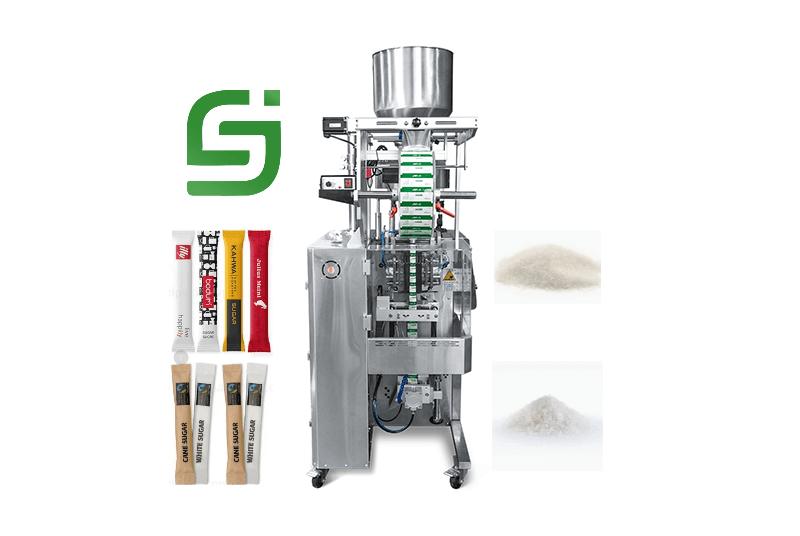
The filler receives a bulk product that may bridge, smear, compress, or change during storage. Record moisture range, particle and fiber distribution, bulk density, stickiness, compressibility, and temperature. Observe whether vibration separates components or whether material adheres to hopper surfaces. These behaviors influence agitation, feeding, dosing cavities, scraper design, and the effort required to clean the path.
Send production material in packaging that preserves its normal state. A dried or small laboratory sample can produce an unrealistically easy test. Include enough for startup, stable operation, restarts, and cleaning evaluation. Tell the supplier how long the product may remain in the hopper and whether exposure to room air changes it.
Product handling should be gentle enough to avoid unwanted size change, yet controlled enough to deliver repeatable portions. Ask how level is maintained above the dosing device and how the system responds to low product, blockage, or an incomplete dose.
The pouch material must retain the product, allow the intended product experience, and run through forming and sealing without tearing or excessive stretch. Width tolerance, thickness, basis weight, friction, porosity, heat response, splice construction, roll winding, and storage all affect performance. The exact supplier grade should be identified in the test record.
Check web tracking, edge condition, forming resistance, registration if printed, and response to normal tension. A material may look acceptable at low speed but distort during acceleration or after a roll change. The seal process must close the pouch without scorching, thinning, or creating a stiff and uncomfortable seam.
If an alternative web is part of the sourcing plan, validate it separately. Similar appearance does not prove equivalent seal window or machine behavior. Store approved rolls under defined conditions so moisture uptake and deformation do not undermine the setup.
Dosing and pouch formation must meet at the correct time and location. Too much product can spread into the seal; too little can create a thin or inconsistent portion. The product drop should avoid damaging the web or leaving material on components that guide the next cycle.
Review how recipes control feeder motion, dose setting, web advance, and seal timing. Ask which adjustments are operator-accessible and which require authorized maintenance. Recipe names should correspond to controlled product and material codes rather than informal descriptions.
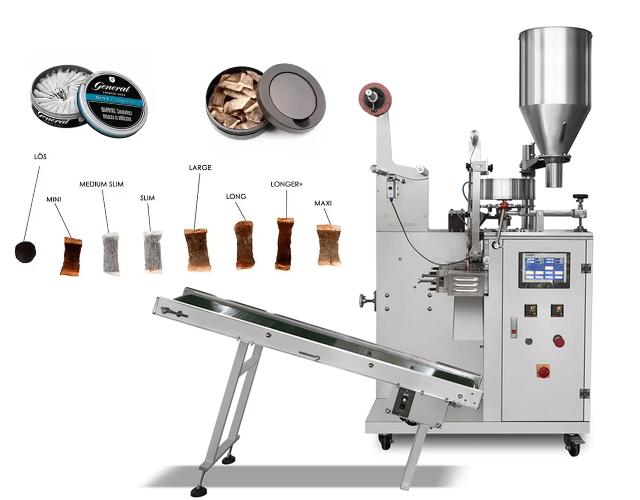
The practical dose range needs trials at its lower and upper ends. At a small target, resolution and incomplete feeding may dominate; at a larger target, portion thickness and seal contamination can become limiting. A broad number on a specification sheet does not describe these interactions.
Agree on seam continuity, edge alignment, dimensions, fill distribution, surface cleanliness, and permitted loose product. Select tests that reveal weak or open areas without creating an artificial failure. Inspect portions after normal conveying and counting, not only as they leave the seal station.
Temperature, contact time, pressure, web condition, and contamination determine closure quality. The approved recipe should sit inside a stable process region. If a minor room or roll variation causes open seams, the setting is too close to the boundary. Sensors for web position, temperature, or product presence can support control, but they need defined alarm and rejection responses.
Traceability may require batch, machine, recipe, material lot, and operator records. Determine how this information is captured and linked to downstream cans or cartons. Data should help investigate a deviation rather than simply accumulate on a screen.
Inspect the path from bulk loading to the closed portion. Product-contact parts should be accessible and removable according to the sanitation plan. Look for ledges, hidden cavities, difficult fasteners, and areas where moist fines can collect. Ask the supplier to demonstrate disassembly, cleaning, inspection, drying, and reassembly with normal tools.
Separate product-contact cleaning from maintenance of heaters, drives, sensors, and electrical components. The instruction should prevent water or chemical damage and should identify safe isolation. After reassembly, first-off portions need weight, appearance, and closure checks before routine production resumes.
For multiple flavors or formulations, define the change sequence and residue acceptance method. A fast advertised changeover is meaningful only when it includes product recovery, line clearance, cleaning, parts inspection, recipe confirmation, and release.
| Project question | Preferred evidence | Reason it matters |
|---|---|---|
| Can the filler handle normal moisture variation? | Individual portion data from low and high product conditions | Moisture changes flow, adhesion, and compaction |
| Is the approved web stable on the machine? | Continuous roll trial including splice and restart | Short hand-fed samples miss tracking and tension effects |
| Can staff clean the full product path? | Witnessed disassembly and inspection with a timed checklist | Hidden residue extends changeover and raises hygiene risk |
| Will portions transfer cleanly downstream? | Integrated count and handling test using finished portions | Good seals can still be damaged during conveying |
| Are settings controlled and repeatable? | Recipe access review and first-off verification procedure | Repeatability depends on governance as well as automation |
Prepare a protocol listing products, moisture conditions, web grades, portion targets, sampling frequency, accepted weight band, closure criteria, and downstream interface. Include a roll change, planned stop, restart, low-product condition, and the change between two important recipes. Record all adjustments and segregate samples made before the final setting.
Count acceptable portions, under- or overfills, open seams, web breaks, product contamination, jams, and manual interventions. Examine the machine after the run to see where material accumulates. Then witness the cleaning method and verify the first portions made after reassembly.
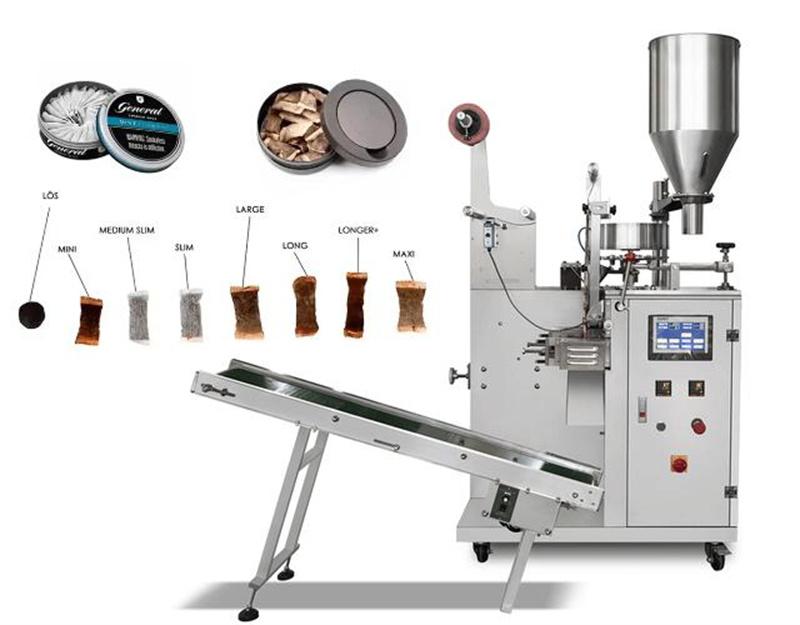
For the selected sachet stick packing machine, document included change parts, utility requirements, guarding, manuals, spare parts, training, and integration ownership. Approval should be tied to the witnessed configuration, not an undefined future adjustment.
Secondary packaging must be included when portion shape and count affect the final container. A can feeder may require portions to arrive separately, at a controlled rate, and without folded seams. Test accumulation and transfer after a short downstream stop. Portions that pass the primary seal inspection can still deform when they back up or enter a counting device.
Review material and product storage around the line. Porous web can change after exposure to humidity, while moist product may dry at an open hopper. Define maximum exposure times and the disposition of partially used rolls or remaining product. These controls reduce unexplained differences between a successful factory test and everyday operation.
Finally, assess how deviations are contained. When a closure temperature alarm, missing dose, or web fault occurs, the system should identify the affected material and prevent it from entering approved downstream stock until inspected.
Can a standard powder sachet machine pack snus portions?
Not automatically. Product moisture, portion material, forming method, closure quality, hygiene, and downstream handling require a purpose-matched configuration.
What product sample should be used for testing?
Use normal production material and include the most difficult expected moisture or cut condition. Preserve it during transport so the trial reflects the factory process.
Is portion weight the only acceptance measure?
No. Closure continuity, shape, dimensions, loose product, material damage, cleanliness, and downstream count are also important.
Can one recipe cover several pouch materials?
Only if trials show their forming and seal behavior are equivalent within approved tolerances. Each material code should remain traceable.
How should output be compared?
Count conforming portions delivered through the intended downstream path during a defined run, including stated stops and rejects.
The best selection begins with the portion rather than the machine catalog. Define the product state, web, dose, closure, cleaning boundary, and downstream count; then reproduce difficult conditions in a witnessed trial. This process exposes whether dosing, forming, sealing, and hygiene are genuinely compatible and gives the operating team a repeatable basis for approval.

YISEN MACHINERY - The ONE-STOP VFFS PACKING MACHINE SOLUTION SUPPLIER
 Tel: +8617350750975
 Email: info@vffspackingmachinery.com
 MP/WhatsApp: +8617350750975
 Manufacturer Address:Meixi Road, Tongan District, Xiamen,Fujian,China