

Hot Keyword:
Author:YISEN Pouch Packing Machine Manufacturer TIME:2025-02-28
The preferred arrangement is the one that keeps the dosing device supplied without crushing chips or creating surges. Buyers should compare methods with actual chip shapes, seasoning levels, and the intended bag sizes.
For potato chips, the feeding method should deliver a loose, evenly distributed product stream to a combination weighing or other suitable dosing system while limiting breakage, seasoning loss, and starvation. The decision is not simply “bucket elevator versus conveyor.” It includes the bulk infeed, buffer control, elevation method, distribution to the weigher, and the final drop into the bag.
Document chip diameter and thickness ranges, curl, bulk density, fragility, surface oil, seasoning, fines, and lot-to-lot variation. A uniform formed snack behaves differently from thin irregular slices, and ridged chips may bridge or orient differently from flat pieces. Keep samples from normal and difficult production rather than relying on undamaged pieces selected for a test.
Define what “damage” means to the business. It may be the percentage of fines, number of visibly broken pieces, loss of seasoning, or reduced consumer perception after packing. Agree on a measurement method before comparing feeders. Without a baseline from the upstream process, breakage already present when chips enter the line can be attributed incorrectly to packaging equipment.
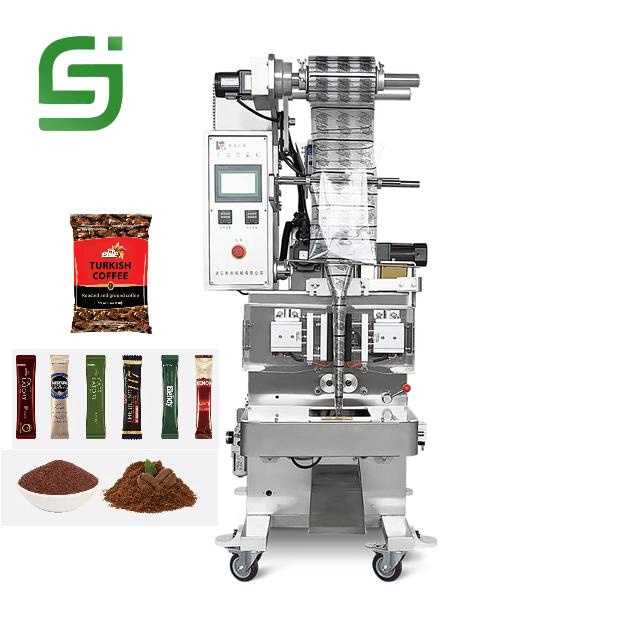
Draw the route from seasoning discharge or bulk supply to the packer. Note every lift, drop, turn, gate, buffer, and transfer between surfaces. Reduce unnecessary height and avoid uncontrolled free fall. A compact layout can lower impact, but it must still provide access, safe walkways, cleaning clearance, and sufficient buffering between upstream and packaging processes.
Transitions deserve more attention than the conveyor label. Chips can strike a narrow outlet, catch on a lip, pile at a gate, or bounce from one surface to another. Ask for section drawings and the expected drop heights with the proposed equipment elevation. During trials, inspect product after each major transfer to locate where damage begins.
A bucket elevator can contain product during vertical transfer and support controlled discharge, but bucket shape, loading, speed, overlap, and outlet design affect breakage and cleaning. Verify that chips enter without being pinched and leave without scraping or recirculating. Removable buckets may help sanitation and changeover, provided their handling and reinstallation are practical for the plant.
An inclined belt or cleated conveyor may offer a visually open route and gentler continuous movement for some products. Check incline, cleat spacing, sidewalls, rollback, seasoning loss, and the point where chips discharge. Vibratory feeders can distribute product effectively over short routes but need trials to ensure vibration does not create fines. No method wins without product evidence.
A buffer hopper or distribution feeder should decouple minor upstream variation from the weighing cycle. Level sensors and controls need to maintain a useful product bed without overfilling, compressing chips, or allowing repeated starvation. Large slugs can overload central distribution, while weak feed leaves heads empty and reduces the combinations available for accurate dosing.
Observe how chips spread from the center to individual weigh heads. Product should not favor one side because of machine level, seasoning buildup, or feeder adjustment. Settings may need to differ by chip type, but changes should be recipe-controlled and verified. Operators require a clear response to high level, low level, and upstream stoppage rather than manually chasing the product flow.
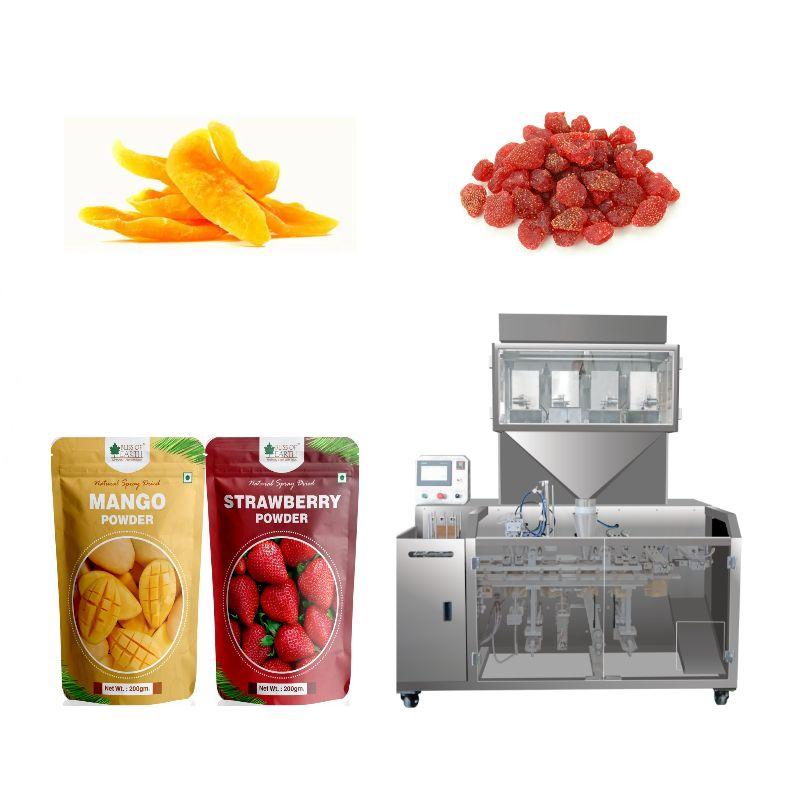
More aggressive vibration can fill weigh heads faster but may abrade seasoning or fracture fragile pieces. Slower movement may protect product yet reduce the number of available combinations. The correct operating point is based on accepted bags: quantity compliance, piece appearance, fines, clean seals, and usable output must be reviewed together.
Sample in order through startup, steady operation, low buffer, refill, and restart. Weigh packs according to the facility's procedure and compare damage with the incoming baseline. If a result improves only after manual product spreading or unusually careful loading, record that intervention. It should either become a defined production task or be removed through configuration changes.
Seasoning and oil collect on pans, buckets, belts, sensors, and supports. Deposits can change friction and product distribution before they become a hygiene concern. Inspect surfaces after a representative run and look for ledges, hollow sections, tight joints, and areas that require reaching over unsafe positions. Ask how removed parts are carried, cleaned, dried, and stored.
Dry cleaning may be appropriate for some operations, while another hygiene plan may require different methods. The buyer must define the approved procedure and verify equipment protection and material compatibility. Line clearance is especially important when flavors or allergens change. Product should not remain behind guards or beneath the weigher where it can return unexpectedly.
A useful test starts at the actual infeed point and ends with sealed bags. Running only the weigher misses transfer damage, buffer behavior, and the effect of the final drop. Use the lightest, largest, and most fragile representative chips plus the intended film and bag size. Include an upstream pause and refill so controls and recovery can be observed.
| Feeding option | Potential strength | Risk to examine | Trial observation |
|---|---|---|---|
| Bucket elevator | Contained lift and metered discharge | Pinch points, bucket impact, difficult residue removal | Breakage at loading, top turn, and outlet |
| Inclined belt | Continuous visible product route | Rollback, sidewall rubbing, seasoning carryback | Distribution and condition at discharge |
| Vibratory transfer | Controlled spreading over short distance | Fines generation and seasoning separation | Before-and-after product sample comparison |
| Gravity chute | Few moving contact parts | Excessive drop, bouncing, blockage at transitions | Impact locations and flow at different supply rates |
Retain the layout, installed parts, settings, incoming and finished samples, quantity results, damage result, and event log. The accepted setup should remain identifiable when equipment is installed at the buyer's site.
Compare total height, footprint, access platform, guarding, utilities, controls, cleaning method, product loss, and integration responsibility. A gentle feeder that cannot fit safely or be cleaned by the available team is not a workable choice. Likewise, a compact feeder that requires constant hand leveling will not support repeatable production.
The potato chips packaging machine discussion should include the feeder, weigher, bagger, and their control handshake. Ask one supplier or integrator to define who owns starvation alarms, stop signals, buffer logic, and restart sequence. Confirm recommended wear parts and changeover needs for each chip family.
Which feeder causes the least chip breakage?
There is no universal winner. Route length, transfers, speed, equipment geometry, and chip condition determine damage. Compare options with the same product and measurement method.
Can higher vibration improve weighing accuracy?
It may improve product supply to weigh heads, but excessive energy can create fines. Assess quantity results and damage together across a representative run.
Why does the weigher become unstable after seasoning builds up?
Deposits alter friction and distribution on feeder surfaces. Review cleaning frequency, surface condition, settings, and whether oil level or seasoning application changed.
How much buffer capacity is needed?
Enough to absorb normal upstream variation without compressing product or creating long residence time. Determine it from process timing and a witnessed line study.
What must be checked after changing chip type?
Confirm line clearance, recipe, distribution, feeder energy, quantity, damage, fill level, seal cleanliness, code, and the first accepted bags before release.
Bag formation and feeding must be synchronized. Chips that arrive before the bag is fully open can strike the forming tube or transverse seal, while a delayed product release can reduce time for settling and closing. Observe the signal between weigher and bagger, the opening available for the largest chips, and the way displaced air leaves the bag. Product timing should remain stable after ordinary stops rather than requiring an operator to discard an undefined number of packs.
Bag size affects the feeder decision as well as the packer. Small bags may need a short, compact dose with careful anti-bounce control. Large pillow or gusseted bags can accept more product but create a longer fall and greater risk of breakage or seasoning loss. Test minimum and maximum fill levels with the corresponding weigher strategy. A feeder chosen only for the largest bag may be difficult to regulate for a light portion.
Include startup and shutdown product in the yield study. Chips left in elevators, conveyors, distribution pans, and weigh hoppers may be exposed longer than normal or mixed into the next flavor. Define how the line empties, where residual product is collected, and whether it can be used under the quality plan. This often reveals differences between feeding methods that are invisible during steady running.
Site acceptance should reproduce the final elevations and control logic as closely as practical. A supplier test with hand-fed chips may not reveal starvation from the production conveyor or impact from an added platform height. Confirm guarding, access stairs, collection of seasoning, and the route used to remove trapped product. The final layout drawing should preserve the gentle transfers that produced the accepted sample.
Choose potato chip feeding as a complete route rather than a single conveyor. Profile product fragility, remove avoidable drops, stabilize supply to the weigher, and measure breakage alongside quantity and output. A witnessed feed-to-bag trial reveals whether the selected arrangement is truly gentle, controllable, cleanable, and suitable for the plant layout.

YISEN MACHINERY - The ONE-STOP VFFS PACKING MACHINE SOLUTION SUPPLIER
 Tel: +8617350750975
 Email: info@vffspackingmachinery.com
 MP/WhatsApp: +8617350750975
 Manufacturer Address:Meixi Road, Tongan District, Xiamen,Fujian,China