

Hot Keyword:
Author:YISEN Pouch Packing Machine Manufacturer TIME:2024-09-23
A practical program assigns daily observations to operators, planned inspections to technicians, and release checks to authorized production or quality staff. All work must follow the machine documentation and facility safety rules.
Long service life for a granule line comes from controlling abrasion, residue, looseness, sensor condition, and sealing quality before they cause secondary damage. Maintenance should follow the product route from infeed to discharge and use pack defects or machine observations as triggers. Routine cleaning alone is not enough, and replacing parts without finding why they wore is not preventive maintenance.
Granules can be hard, sharp, dusty, oily, fragile, or hygroscopic. Document which surfaces they strike, slide across, or collect on. Abrasive products may thin chutes and gates, while seasoning can build up and change friction. Fragile pieces may reveal a rough transition before visible machine wear appears. A wear map links product characteristics with inspectable locations and replacement criteria.
Establish normal condition with photographs, measurements where appropriate, and accepted-pack samples. Record unusual sounds, vibration, recurring fasteners, dust patterns, and product leakage. The purpose is not to produce paperwork for every surface; it is to notice meaningful change early enough to plan work instead of waiting for a broken part to damage adjacent assemblies.
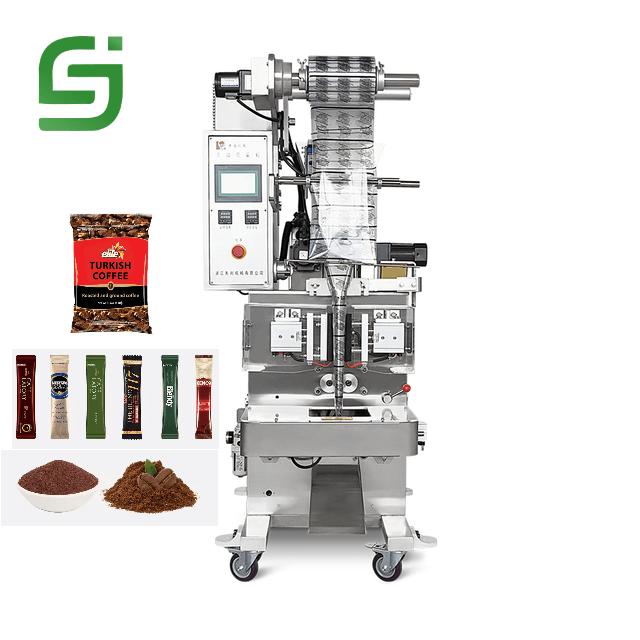
Begin at the upstream conveyor or elevator. Check belts, buckets, chains, supports, guards, level sensors, and transitions according to supplier instructions. Look for rubbing, loose fixings, residue carryback, and product trapped where it can later fall into a different batch. Never reach into moving equipment or defeat an interlock to observe flow.
Hoppers, vibratory pans, volumetric cups, weighing assemblies, gates, and chutes need clean mounting and free movement. Product buildup can change flow and quantity before a component appears damaged. Load cells and delicate weighing parts should not be struck or overloaded during cleaning. After removal, identify each component so that the correct size and orientation return to the recipe.
Inspect unwind supports, guides, tension elements, forming parts, pull belts, rollers, registration sensor, and encoder contact. Dust or oil can alter traction, while bearing wear or a loose guide can draw film sideways. Clean before adjusting. Increasing tension may temporarily hide slip and create a different problem at seals, splices, or printed registration.
Check the forming set for scratches, product deposits, sharp edges, and secure installation. Record the reference position for each bag size rather than relying on visual memory. If film tracks differently after service, confirm roll loading, guide position, belt pressure, and mechanical freedom in a logical order. Keep approved film data with the setup record.
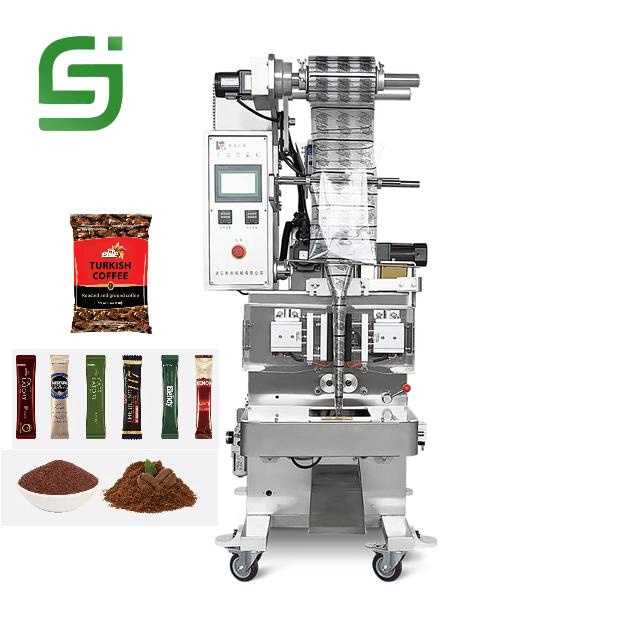
With energy isolated and surfaces cool, inspect sealing faces, protective coverings, heaters, temperature sensors, pressure mechanisms, cutters, and cable movement. Deposits, dents, loose sensors, and uneven contact can produce recurring defects. Use only approved cleaning tools and parts. A scratched jaw face or incorrectly fitted covering may shorten film life and create channels.
Return-to-service checks should use approved packaging and normal product flow. Examine seams for contamination, wrinkles, incomplete fusion, thermal damage, cut position, and stress during discharge. Temperature display alone does not prove heat distribution or jaw contact. Retain packs after startup and after a normal stop to demonstrate that the system recovers.
Photoelectric sensors, proximity switches, level devices, encoders, and safety components need clean sensing paths, secure brackets, protected cables, and correct alignment. Repeatedly moving a sensor to clear a false alarm can destroy the reference needed for stable production. Mark or document approved positions and investigate vibration, damaged connectors, film reflectivity, or product dust before changing thresholds.
Back up recipes and approved control settings according to the supplier's procedure. Limit editing rights and record software or parameter changes. Replacing a sensor or drive may require calibration or configuration; a physically identical unit is not always ready to operate. Safety logic and devices must be tested by qualified personnel and never bypassed to maintain output.
Use supplier schedules as the minimum framework, then refine tasks with operating hours, product abrasion, cleaning frequency, stop records, and inspected condition. Daily tasks usually emphasize cleanliness, leakage, guards, unusual noise, and visible pack quality. Less frequent work may involve drive inspection, fastener checks, electrical cabinets, lubrication, wear measurements, and controlled safety tests.
| Maintenance zone | Early indicator | Planned response | Production release evidence |
|---|---|---|---|
| Granule feed | Uneven supply, buildup, increased fines | Clean, inspect movement and wearing surfaces | Stable flow and ordered quantity samples |
| Film drive | Edge drift, slip marks, changing bag length | Inspect rollers, belts, guides, and encoder contact | Registered bags through normal roll movement |
| Sealing and cutting | Seam marks, temperature alarms, poor cuts | Inspect faces, coverings, sensors, pressure, cutter | Approved seals and cuts after restart |
| Controls and safety | Loose bracket, intermittent signal, damaged cable | Qualified inspection and functional test | Documented operation of required devices |
When a task repeatedly finds no change, its interval may still be correct because consequence is high. Adjust frequency only through the site's maintenance review, considering both likelihood and impact. Conversely, recurring early wear should trigger root-cause investigation, not just a shorter replacement interval.
Remove tools and loose parts, verify guards, check utilities, confirm tooling and recipe, and inspect the product and film routes before power is restored. Use the approved startup sequence. First motion may be tested without product only when the documentation permits it; final release requires representative material and finished-pack checks.
Record the reason for work, observations, parts fitted, settings touched, safety checks, and sample results. If several components were changed, consider staged verification so an unstable outcome can be traced. Production should not accept the machine merely because it runs without an alarm. Quantity, appearance, coding, seal, and handling must meet the release definition.
Stock critical spares according to failure impact, supplier lead time, and installed population. Confirm part numbers and revisions, protect sensitive items, and control storage life. Common candidates include belts, sensors, jaw coverings, heaters, cutters, seals, fuses, and product-contact wear pieces, but the actual list should follow the supplied configuration and history.
For a granular packing machine, preserve manuals, drawings, backup files, approved recipes, change-part lists, and service reports. Trend stops and rejects against maintenance actions. When a modification is proposed, document its risk and repeat affected acceptance checks. Equipment lasts longer when the baseline remains controlled instead of accumulating undocumented fixes.
Should every maintenance interval be calendar based?
No. Calendar, operating hours, condition, product severity, and consequence can all matter. Use supplier requirements and plant history through a controlled review.
Why does bag tracking change after cleaning?
A guide, roller, forming part, sensor, or pull belt may have been moved or refitted differently. Compare with documented reference positions before adding tension.
Can operators adjust weighing components?
Only within the authority and procedure defined for the site. Delicate weighing and calibration work may require trained technical staff and specific checks.
What should happen after replacing a sealing part?
Verify installation, guards, temperature feedback, jaw contact, approved film, product-free seam presentation, and tested finished packs through startup and restart.
How can recurring failures be reduced?
Classify symptoms, preserve failed parts and evidence, identify the physical cause, verify the corrective action, and monitor whether the same condition returns.
Lubrication deserves strict boundaries. Use only the specified lubricant, quantity, and interval at identified points, and prevent migration to product, film, belts, or sealing surfaces. Over-lubrication can attract granule dust and hide a failing seal, while an improvised product can damage plastics or bearings. Keep lubricant identity and service date in the work order, and investigate leakage rather than repeatedly topping up.
Alignment checks should follow evidence, not routine disassembly. A new rub mark, uneven belt wear, changing seal contact, or repeated fastener loosening can indicate a shifted assembly. Record the reference and use approved measurement methods. Realigning one component without checking its connected drive or frame can transfer load elsewhere. After correction, run representative product and film long enough to show that the original symptom no longer develops.
Lifecycle planning includes components that age through obsolescence as well as wear. Keep an installed-parts register for controls, drives, sensors, operator panels, and critical mechanical assemblies. Ask the supplier about supported replacements and the backup information needed to configure them. A planned migration with tested recovery is safer than discovering during a breakdown that a physically similar part cannot use the stored recipe or communicate with the line.
Review machine level and foundation condition when vibration, tracking, or seal alignment changes without a clear component fault. Loose anchors, floor movement, or an added upstream load can shift references. Correct structural causes through authorized engineering work, then recheck guards, transfers, film path, and finished packs.
Keep this evidence available during every reliability review.
Granule equipment longevity depends on early recognition of wear, disciplined cleaning, stable references, and a verified release after intervention. Follow the complete product and film routes, connect maintenance observations with pack defects, and protect documentation and spares. This turns service work into a controlled reliability system rather than a sequence of emergency repairs.

YISEN MACHINERY - The ONE-STOP VFFS PACKING MACHINE SOLUTION SUPPLIER
 Tel: +8617350750975
 Email: info@vffspackingmachinery.com
 MP/WhatsApp: +8617350750975
 Manufacturer Address:Meixi Road, Tongan District, Xiamen,Fujian,China