

Hot Keyword:
Author:YISEN Pouch Packing Machine Manufacturer TIME:2024-10-07
A sachet pouch packing machine can lower unit handling, deliver consistent single portions, protect products in small sealed packs, and support high-volume distribution. Those benefits appear only when the filler, film, seal, coding, and line speed match the actual product. Small packs also create material, inspection, and changeover demands that should be measured rather than assumed.
Single-use sachets can place a defined amount of coffee, sugar, seasoning, shampoo, sauce, medicine-like supplement, or household product into a convenient package. Portion control supports predictable consumer use and can reduce contamination caused by repeatedly opening a larger container. The correct target and tolerance still come from product, quality, and regulatory requirements rather than from the machine alone.
Measurement technology must suit the contents. Augers serve many powders, cups or weighers handle granules, and pumps or pistons meter liquids and pastes. Test individual results and average giveaway across startup, replenishment, stops, and stable running. A small absolute deviation can be significant for a low-dose sachet, so scale resolution and sampling method deserve careful review.
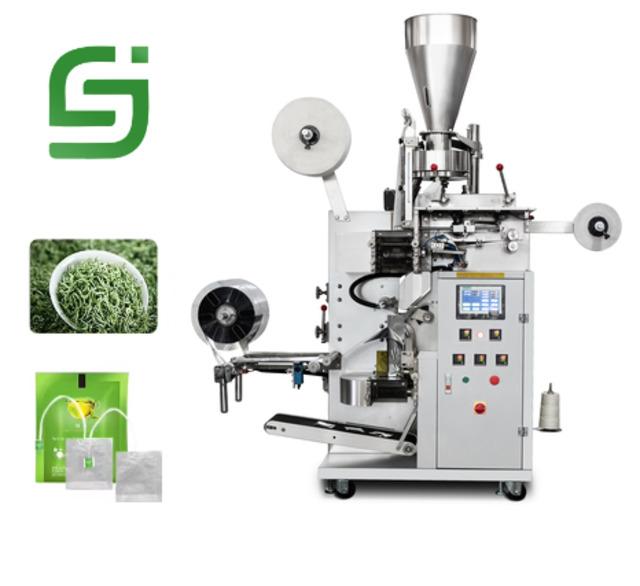
Portion value should be evaluated together with process waste. A high-value supplement may justify slower verification and tighter controls, while a commodity condiment may be more sensitive to giveaway and film consumption. Record product left in the hopper, filler, hoses, or auger after a campaign. Small nominal doses can still create significant annual loss when residual product and startup adjustments are repeated across many short runs.
A properly selected laminate can protect contents from moisture, oxygen, aroma loss, light, or external contamination according to the product plan. Small independent packs remain closed until use, which can be helpful for travel, hospitality, sampling, and controlled dispensing. Shelf life depends on product, material, seal, storage, and validation; the packaging machine cannot establish it by itself.
Seal performance requires compatible heat-seal layers, clean interfaces, stable temperature, pressure, dwell, and cooling. Powder dust, sugar grains, or sauce residue can create channels. Filling timing, settling, extraction, headspace, and nozzle cutoff should protect the seal zone. Use an agreed peel, burst, dye, or leak method appropriate to the sachet and distribution risk.
Package integrity must remain visible through downstream operations. Sachets can be torn by sharp guides, pinched in counters, or bent across a fresh closure during cartoning. Observe orientation, spacing, accumulation, and transfer at normal rate. When multiple sachets are bundled, verify count and ensure the secondary pack does not hide leaking units. Retain failures from each location to separate sealing defects from handling damage.
Automatic equipment forms or presents material, doses product, seals, cuts, codes, counts, and discharges with fewer manual touches than hand filling. This can improve consistency and allow operators to focus on replenishment, inspection, sanitation, and troubleshooting. Labor savings depend on the complete line, because roll loading, product supply, rejects, cartoning, and changeovers still require work.
Connected controls can stop dosing when film is absent, monitor temperature, track registration marks, trigger a printer, and coordinate downstream counting. Fault responses must protect partly completed sachets and uncertain product. Automation is valuable when alarms are clear and operators are trained; a fast system with frequent manual recovery can create more waste than a slower stable process.
Sachets usually use less package material per dose than rigid containers, but efficiency must be calculated for the selected dimensions, laminate, seals, and waste. Narrow seal margins can save film only if they remain robust. Registration setup, roll splices, startup scrap, cutting accuracy, and rejected sachets all influence real consumption. Compare saleable packs per roll rather than theoretical web area alone.
Material reduction should not weaken barrier or distribution performance. Test the exact printed laminate for tracking, stiffness, friction, seal window, ink resistance, and cut quality. Recyclability or downgauging claims require confirmation from the material and recovery context. Packaging equipment should run the approved structure reliably without implying an environmental outcome unsupported by the supply chain.
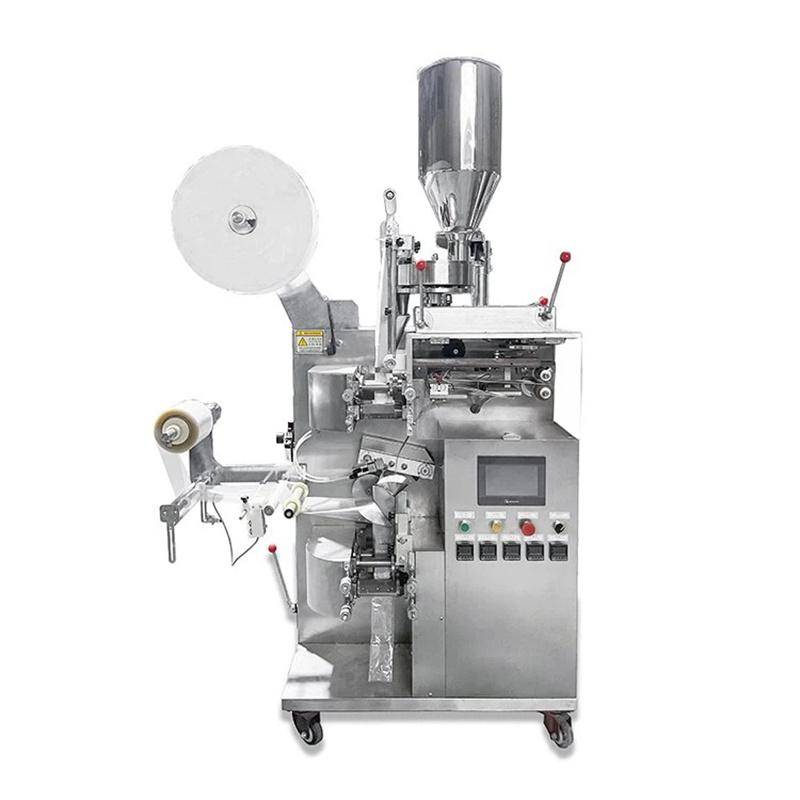
One platform may produce several sachet lengths or dose sizes within its forming and filling range. Different products can share film handling while using another filler, nozzle, auger, or contact path. This supports retail trials, hotel portions, promotional samples, refill packs, and industrial unit doses. Each combination needs a controlled recipe and clearly identified mechanical parts.
Flexibility has a changeover cost. Film removal, product clearance, cleaning, forming adjustments, code changes, and first-off inspection take time. If allergens, colors, flavors, or chemicals differ, sanitation may dominate the schedule. Estimate capacity after planned changes instead of dividing annual demand by the maximum cycle speed. Organized storage for clean parts and printed rolls reduces mistakes.
Printed sachets offer a large branding surface relative to their size, and individual codes can support lot identification or use information. Registration control keeps graphics aligned with cuts and seals. The printer must produce legible content on the chosen surface at operating speed. Vision inspection may check code presence or position, but the reject mechanism must separate failures reliably.
Appearance includes flat seals, consistent length, centered print, clean edges, and product-free surfaces. Wrinkles, curling, leaking corners, or miscuts reduce consumer confidence even when net content is correct. Define visual standards with samples and measurement points. Cartoning or bundling should preserve orientation and avoid crushing fresh seals.
Maintenance access determines whether automation remains dependable. Operators and technicians need safe routes to forming shoulders, pull belts, registration sensors, filling parts, heaters, thermocouples, cutters, and printer components. Ask which tasks require specialist support and how long critical spares take to arrive. After any work affecting fill or seal, a controlled first-off check should precede routine release.
Small packs can have a high package-to-product ratio, generate many individual items to inspect, and require secondary packaging for efficient distribution. They may be unsuitable where consumers need repeated closing, large volumes, or easy recycling under local systems. Very large particles, highly abrasive products, unstable foams, or severe dust hazards can demand specialized designs.
Operational complexity also increases with many printed stock keeping units. Film obsolescence, artwork control, code changes, and short campaigns can offset speed advantages. Compare sachets with sticks, premade pouches, bottles, tubs, or bulk bags using consumer use, product protection, accepted output, waste, logistics, and total cost. The best format solves the whole business need, not only the filling step.
Utility and facility needs also shape the return. Confirm power, compressed air, extraction, product transfer, gas supply where used, room conditions, and cleaning restrictions. Include safe roll handling and storage for printed inventory. A compact machine can still need substantial clearance for web threading, filler removal, guarding, and service. Installation planning should capture these spaces before the line layout is approved.
Bring representative product, approved material, dose targets, code requirements, and downstream packaging expectations to the test. Run the smallest and largest planned formats, then include startup, roll splice, replenishment, stop, restart, and cleaning. The sachet pouch packing machine configuration should be recorded with its filler, forming parts, printer, and inspection modules.
| Expected benefit | Measure during trial | Possible tradeoff |
|---|---|---|
| Portion consistency | Ordered dose results and giveaway | Slower setting for difficult product |
| Material efficiency | Film used per accepted sachet | Startup and splice waste |
| Product protection | Seal tests and clean interfaces | Higher barrier laminate |
| Automation | Interventions and accepted output | Training and maintenance skills |
| Format flexibility | Observed changeover and release | Parts, cleaning, printed inventory |
Keep raw results, defect samples, settings, product condition, and material lot. Calculate the benefit using accepted packages, not cycles. Repeat critical checks at the installation site so utilities, local operators, upstream supply, and downstream handling are represented before routine production begins.
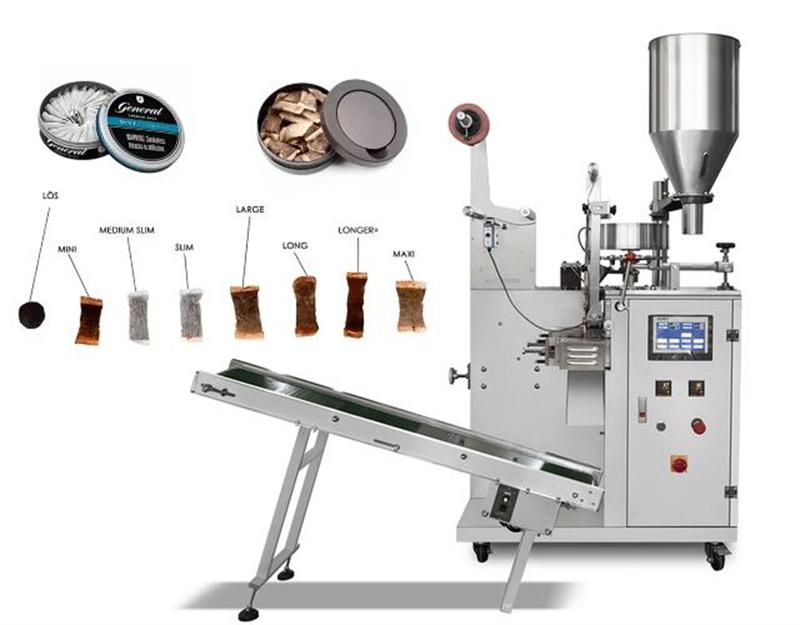
Training should cover roll threading, filler assembly, code setup, sampling, seal inspection, fault clearance, and safe shutdown. Define which parameters an operator may adjust and which require engineering approval. Record the reason for recipe changes so one shift does not compensate for a mechanical or product problem with settings that create defects for the next team.
Are sachets always cheaper than bottles?
No. Material, machinery, product value, secondary packaging, logistics, speed, waste, and volume determine total cost.
Can one machine pack powder and liquid sachets?
Film handling may be shared, but the products require different dosing, contact paths, cleaning, and often dust or drip controls.
What commonly causes weak sachet seals?
Contamination, unsuitable laminate, wrinkles, incorrect heat or pressure, damaged jaws, poor cooling, and misalignment are frequent causes.
How should material savings be calculated?
Use actual film consumed per accepted pack, including startup, roll changes, splices, registration correction, rejects, and trim.
Do sachets need secondary packaging?
Many do for counting, protection, labeling, and transport. The required carton or bundle should be included in line planning.
Sachet automation can provide controlled portions, product protection, efficient flexible packaging, strong presentation, and reduced repetitive handling. These advantages are conditional on product-specific dosing, clean seals, approved film, disciplined coding, and stable downstream flow. A representative trial should quantify accepted output, giveaway, film consumption, defects, and changeover so the buyer can compare benefits with the format's operational tradeoffs. Distribution testing should confirm that the chosen sachet remains intact after handling.

YISEN MACHINERY - The ONE-STOP VFFS PACKING MACHINE SOLUTION SUPPLIER
 Tel: +8617350750975
 Email: info@vffspackingmachinery.com
 MP/WhatsApp: +8617350750975
 Manufacturer Address:Meixi Road, Tongan District, Xiamen,Fujian,China