

Hot Keyword:
Author:YISEN Pouch Packing Machine Manufacturer TIME:2025-02-28
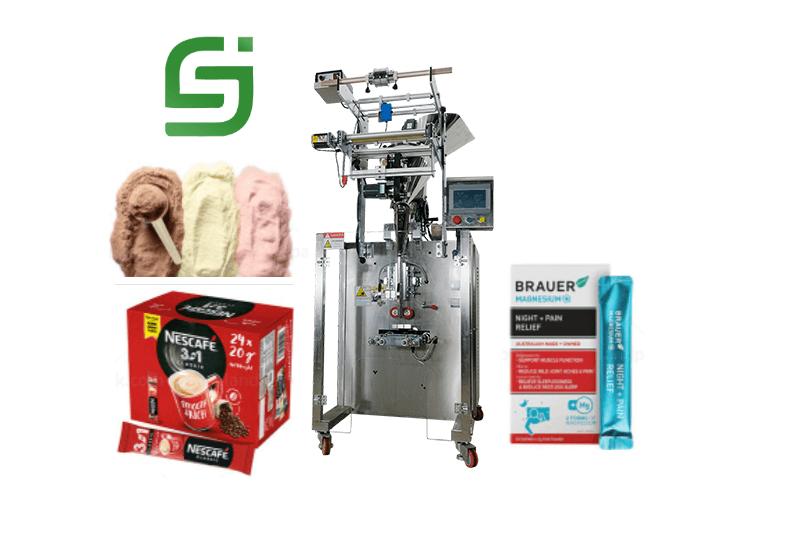
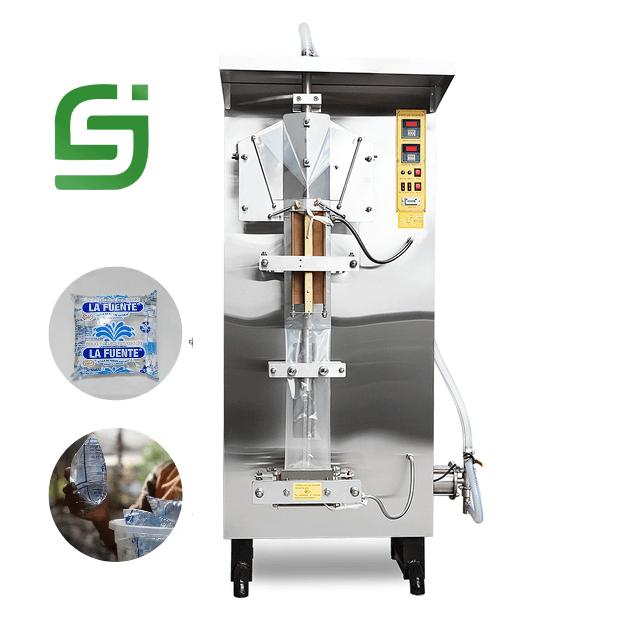
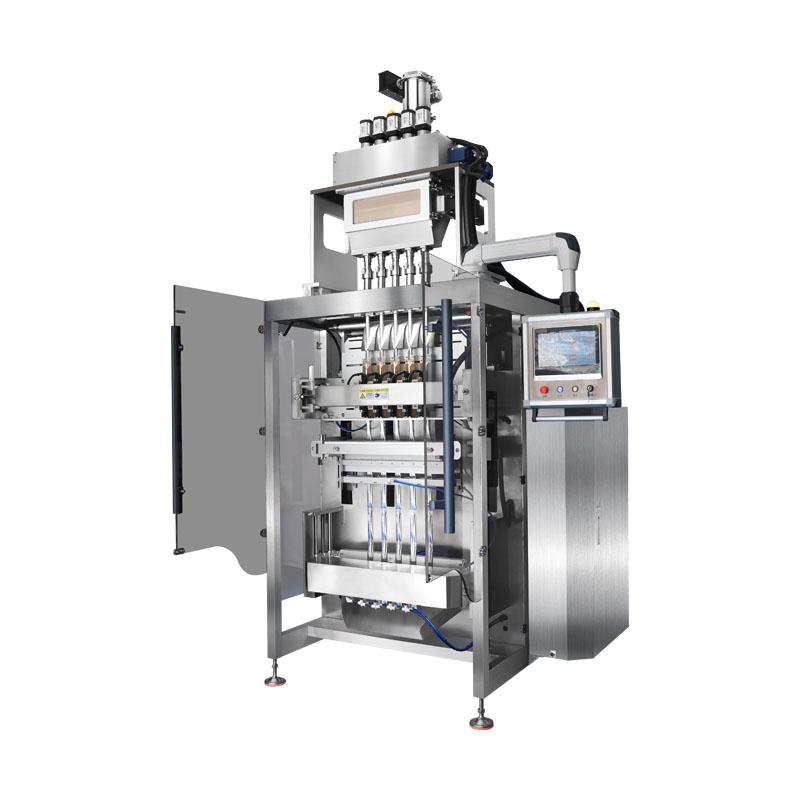
A sachet stick pack machine forms narrow or compact single-use packages from rollstock, meters product into them, and seals them in a repeated sequence. It can provide efficient, precise packaging only when the product, dosing system, lane arrangement, film, and seal process are correctly matched. Stick packs favor a slender format; sachets allow a broader shape. Buyers should define the required package and dose first, because the machine architecture follows those decisions.
A stick pack is typically narrow relative to its length and is often selected for a controlled single portion that pours or squeezes through a small opening. A sachet can be wider and may suit a different dose, product volume, artwork, or opening experience. Exact shapes and sealing arrangements depend on machine and package design; the terms should not substitute for a drawing.
Define finished width and length, seal locations, tear notch, cut style, print orientation, target quantity, and how the user will dispense the product. Product bulk volume must fit with enough room for filling and closing. A dense granule, aerated powder, and viscous liquid can require very different dimensions at the same net weight.
The package material supplier should confirm barrier, strength, sealing layer, and product compatibility. The equipment supplier then verifies that the rollstock tracks, forms, seals, and cuts on the proposed system. Both responsibilities matter to the finished result.
Rollstock leaves the unwind, passes through tension and guiding elements, reaches forming components, and is divided or wrapped into package paths. Longitudinal seals create the side or back closures; transverse seals close one end, allow filling, and close the next end before cutting. The exact order varies by design, especially on multilane equipment.
Stable web tension keeps print and seal positions repeatable. Roll alignment, brake or drive control, guide rollers, splice quality, and forming surfaces all affect tracking. Film that wanders can produce uneven seals or inaccurate cuts even when the dosing system is stable.
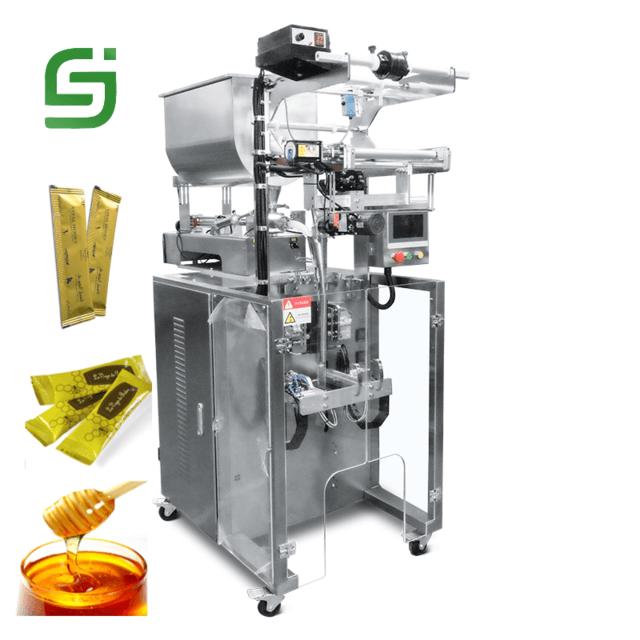
Operators need a safe threading diagram and a practical method for roll replacement. Record the approved material direction and registration mark. A line that runs well after expert setup but is difficult to rethread will lose availability during routine shifts.
Multilane equipment divides a wide film web into several parallel package paths, increasing output per index when all lanes perform correctly. Lane count is constrained by final pack width, web width, sealing layout, filler arrangement, service access, and changeover needs. More lanes also multiply nozzles, dosing points, sensors, knives, and quality checks.
A single-lane system can be easier to set up for varied products or lower demand. A multilane line can be productive for stable, high-volume formats, but the buyer should consider how a fault in one lane affects the rest. Ask whether lanes can be isolated, how rejected output is identified, and how settings remain balanced.
Compare accepted packages over a shift scenario, not theoretical lane count multiplied by cycles. Film changes, product refill, cleaning, lane adjustment, and quality sampling influence useful output. Maintenance access between closely spaced lanes should be demonstrated.
Free-flowing granules may use cups or weighing arrangements where their density and dose support those methods. Powders often use augers configured for flow, aeration, and dust. Low-viscosity liquids and viscous products need different pump, piston, valve, and nozzle considerations. Small inclusions can change whether a liquid filler remains suitable.
The sachet stick pack machine and filler must be timed as one system. Each lane needs a repeatable dose and a clean cutoff before sealing. Product supply should keep every dosing point stable. If a common manifold serves multiple lanes, its distribution should be tested at startup, refill, and normal running.
Quantity checks should retain lane identity. A combined average can hide one lane that consistently overfills and another that underfills. Sample results in order by lane, and link adjustments to a documented setup rather than changing all lanes together without diagnosis.
Printed film commonly uses registration marks that the control system reads to position the package. Mark contrast, sensor selection, web tension, and repeat length all influence accuracy. The artwork should provide a clear sensing area and enough tolerance around text, codes, tear notches, and seals.
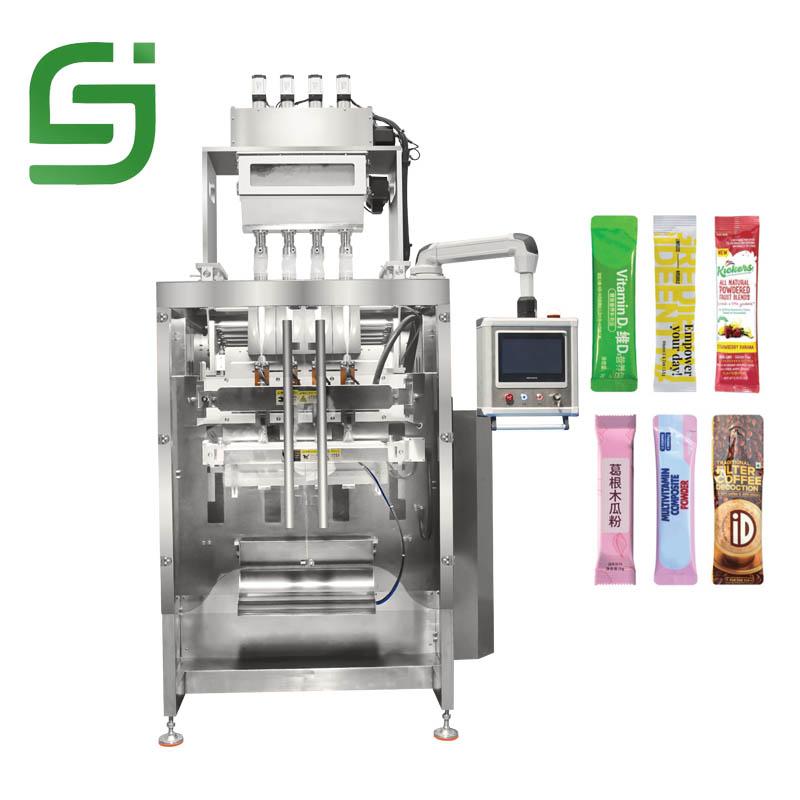
Cutting can produce individual packs, connected chains, or another agreed presentation. Knife condition and alignment affect edge quality. If tear notches are required, their location must support opening without weakening a critical seal. The downstream process must handle the chosen cut form.
Run the intended printed film during acceptance. Plain film may prove basic movement but cannot validate registration or final appearance. Retain approved samples and the associated settings for future artwork review.
Heat, pressure, and dwell must suit the film's sealant layer, but product contamination is often the first seal risk. Fine powder can float into the transverse area, granules can remain in the closing path, and liquid can drip after filling. Coordinate fill timing, nozzle or chute position, product cutoff, and settling so the film reaches the jaws cleanly.
Longitudinal seals deserve the same attention as end seals. Verify overlap or fin geometry, jaw alignment, and continuous film presentation. On multilane systems, inspect temperature and pressure consistency across the web. The producer should apply a qualified seal-integrity method appropriate to product and distribution.
| System choice | Benefit when appropriate | Evidence needed |
|---|---|---|
| Stick format | Compact single-dose presentation | Product volume, pour or squeeze behavior, opening test |
| Wider sachet | More artwork or room for bulky dose | Forming, headspace, seal, and consumer-use review |
| Multiple lanes | More packs produced per machine index | Lane balance, service access, reject identity, changeover |
| Printed rollstock | Branded repeat graphics | Mark detection, registration, coding, and cut position |
| Specialized filler | Product-specific metering and cutoff | Ordered quantity results with representative material |
Precision has at least three dimensions: delivered quantity, package dimensions, and seal placement. Define how each will be sampled. For quantity, use the producer's approved measurement method and examine variation as well as average. For dimensions and print, use clear reference points. For seals, record contamination and integrity failures.
Count output after normal rejects. Include web splices, roll replacement, product refill, startup packs, and stops during a representative evaluation. A high index rate is not useful when lane imbalance or registration faults produce unusable sachets.
Test restart behavior because heat and film conditions can change while the machine is stationary. The release procedure should define which first packs are inspected or rejected. Results should remain traceable to lane and recipe.
Multilane equipment contains many repeated dosing and sealing components. Cleaning must reach each hopper, manifold, screw, tube, nozzle, former, jaw, guard, and collection area involved with product. The process should prevent parts from one lane being installed in another if they are not interchangeable.
Preventive care includes film-path cleanliness, rollers, belts, bearings, sealing surfaces, temperature sensing, knives, registration sensors, guarding, and filler wear items. Intervals should follow the manufacturer and plant experience. Trend recurring faults by lane so maintenance can distinguish a local component issue from a shared film or product problem.
Train operators in threading, recipe selection, first-off checks, safe clearing, and escalation. Maintenance staff need component references and alignment procedures. A stock of selected wear parts should reflect the number of repeated lanes and the consequence of failure.
Product collection after cutting also deserves attention. Lightweight sticks can overlap, turn, or cling through static, while connected strips need controlled counting and transfer. Define whether output will be hand packed, cartoned, bundled, or inspected automatically. The discharge arrangement should preserve lane identity when quality sampling or rejection depends on it and should not damage newly sealed edges.
Store approved setup information by film and product code. Lane components, nozzle positions, registration references, seal values, and cut presentation should be recoverable after cleaning instead of being rediscovered through waste.
Are stick packs and sachets produced on the same machine?
Some platforms support a defined range, while others are dedicated. Package drawings, forming width, seal arrangement, filler, and change parts determine compatibility.
Does more lanes always mean better efficiency?
No. More lanes can raise output, but also add setup, inspection, cleaning, and maintenance. Use accepted shift output for comparison.
How is quantity checked on a multilane line?
Keep samples identified by lane and order. A combined result can conceal a persistent difference between dosing points.
Can one machine package liquids and powders?
It may accept different filling modules if the layout, hygiene, controls, and film process support them. Each product configuration needs testing.
Why must printed film be tested?
Registration marks, repeat length, stiffness, friction, ink, and sealing behavior affect the package in ways plain trial film cannot show.
Sachet and stick equipment combines film conversion, product metering, and repeated seal control in a compact process. Reliable precision comes from defining the exact pack, selecting the lane arrangement and filler around the product, and measuring each output path. A representative trial of printed material, replenishment, restart, and cleaning reveals whether the proposed system is efficient in real production rather than only on a specification sheet.
Sachet trials should govern equipment acceptance.

YISEN MACHINERY - The ONE-STOP VFFS PACKING MACHINE SOLUTION SUPPLIER
 Tel: +8617350750975
 Email: info@vffspackingmachinery.com
 MP/WhatsApp: +8617350750975
 Manufacturer Address:Meixi Road, Tongan District, Xiamen,Fujian,China