

Hot Keyword:
Author:YISEN Pouch Packing Machine Manufacturer TIME:2024-10-12
Powder machinery can package many food, nutritional, cosmetic, and industrial powders, but it is not selected by industry name alone. Suitability depends on flowability, bulk-density variation, particle size, dustiness, moisture response, abrasiveness, corrosion, hazard classification, dose, package, and cleaning requirements. Each intended powder must fit a documented operating envelope and be demonstrated on the actual filling configuration.
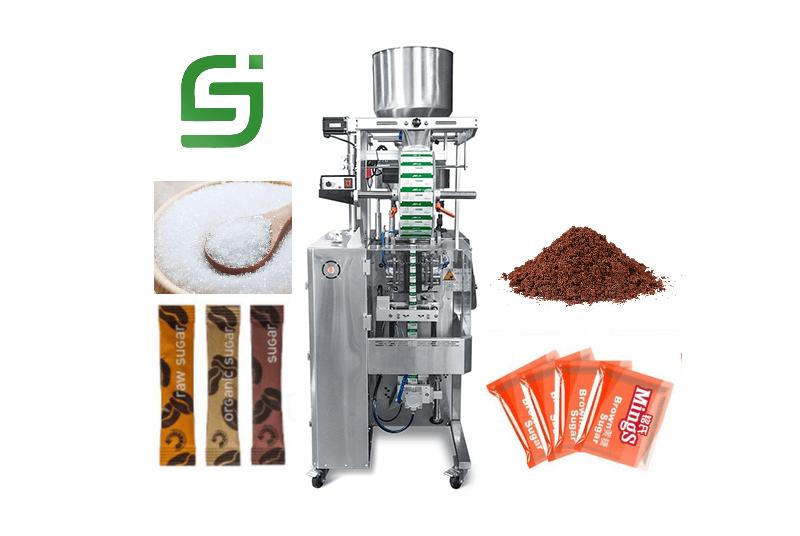
Common examples include flour, starch, spice, sugar, salt, milk powder, drink mixes, coffee, supplements, detergent, pigments, and selected chemical or cosmetic powders. This list describes possible applications across different machine designs; it does not mean one installed line can run all of them. Owners must supply the product safety, hygiene, regulatory, and environmental requirements for their application. Before asking what a machine can handle, create a product matrix with routine and difficult lots, target quantities, acceptable variation, contamination boundaries, room conditions, bag formats, laminate, coding, expected campaigns, and cleaning method. Consider how powder arrives from upstream processing, how it is refilled, and whether downstream equipment can receive the finished packs. These details reveal whether the project needs one versatile contact set, interchangeable modules, or separate lines. The review should also include packaging-material logistics and plant layout. Confirm how powder containers reach the hopper, whether manual tipping creates dust or ergonomic risk, where rejected material is held, and how contact parts are moved to cleaning. Check ceiling height, access platforms, lifting provisions, room pressure, drainage, maintenance clearances, and space for alternative augers or formers. Downstream conveyors and case packing must handle the bag shape and output without crushing warm seals or allowing accumulation. Capacity estimates should include film or pouch replenishment, hopper refill, sampling, sanitation, and ordinary fault recovery. For imported systems, agree on document language, remote-access conditions, software backups, service response, and lead times for custom wear components. These lifecycle facts can determine whether a technically capable configuration remains usable after commissioning, especially when production staff change or additional powders are proposed.
Flour and starch can be dusty and compressible; fine sugar or salt may flow more freely but can attract moisture or create wear; spices can contain oils, strong colors, irregular particles, and allergens; milk or beverage powders may aerate during transfer and change apparent density. Coffee granules do not behave exactly like fine instant powder. These differences influence hopper design, agitation, refill, screw or other meter selection, dust containment, and cleaning. Food-contact construction and sanitation access must match the owner's program. Test product after normal transport and holding, not only a small freshly opened sample. Include variation between lots where possible. A successful fill is more than quantity: inspect product damage, segregation, dust, seal contamination, pack appearance, and residue that could affect the next recipe.
Vitamin blends, supplements, and pharmaceutical powders may require tight material control, traceability, segregation, environmental management, documentation, and validation defined by the manufacturer and applicable quality system. Packaging machinery can provide repeatable recipes, access control, batch data, suitable contact materials, and interfaces to inspection equipment when specified, but it does not create compliance merely by being automatic. Potent, sensitizing, or contamination-sensitive materials can require contained transfer, dedicated parts, specialized cleaning, or a different facility concept. Product owners should provide a user requirement specification and hazard assessment before design. Trials must use an appropriate material or approved simulant, and any substitution should be documented because flow and dust behavior may not represent the production powder.
Detergent, pigment, talc-like cosmetic material, minerals, and other nonfood powders can be candidates for automated packing, subject to their safety and handling characteristics. Abrasive particles may wear screws, tubes, valves, or chutes. Corrosive ingredients can restrict metals, finishes, seals, and cleaning chemicals. Fine pigment can penetrate gaps and make color change difficult. Certain dusts may present combustible, toxic, or environmental hazards that demand qualified engineering beyond a standard enclosure. Obtain the current safety information, identify exposure and ignition concerns, and define who owns extraction or room systems. Never infer that a food-powder configuration is suitable for an industrial chemical because both materials appear dry. Construction, guarding, electrical design, containment, disposal, and verification may be fundamentally different.
Flowability should be observed across realistic hopper levels and after refill. A cohesive powder can bridge above the outlet; a highly aerated powder can flood; a blend can segregate; hygroscopic material can cake after exposure; static can make particles adhere to film and machine surfaces. Bulk density may shift after vibration or settling, changing the relationship between auger movement and delivered mass. Record particle-size distribution, density conditions, moisture sensitivity, compressibility, dust, and any allowable agitation. Upstream vacuum conveying, screw transfer, or manual dumping can alter aeration before filling. A Powder packaging machine should be evaluated with that complete feeding history. Corrective options might include hopper geometry, controlled agitation, level management, deaeration, or a different refill pattern, but each must be proven not to damage or separate the product.
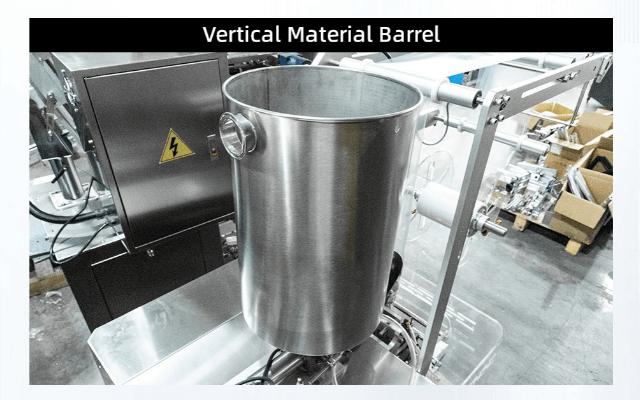
Auger fillers are common for many powders because screw movement provides a controllable displacement, yet screw diameter, pitch, tube clearance, agitation, cutoff, and drive resolution determine the usable range. Free-flowing materials may be evaluated with cups, gravity or gate-based systems, weighing, or other approaches. Very small doses, broad ranges, fragile agglomerates, and highly aerated products can require different parts or methods. Compare consecutive results at range limits and through startup, low level, refill, stop, and restart. Record installed components and product condition. If feedback from weighing is used to adjust the fill, define sampling, correction limits, alarms, and independent release checks. The most suitable technology is the one that remains controllable under the owner's production conditions.
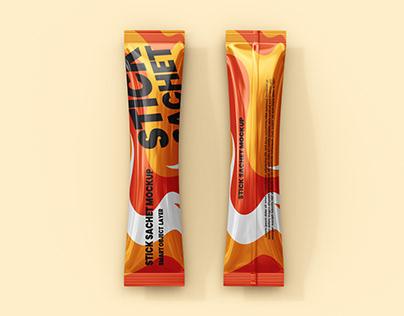
Powders can be packed into sticks, sachets, pillow bags, gusseted packs, stand-up pouches, jars, or other containers when the machine architecture supports them. Bag opening and headspace must accept the dose without product reaching closing surfaces. Fine dust can travel with displaced air; bulky powder can fill volume before target mass is reached. Film barrier and compatibility belong to the package owner's product study, while the machine trial confirms tracking or pouch opening, filling, sealing, coding, and discharge. Use approved laminate and inspect seals for channels, wrinkles, trapped particles, and stable appearance after cooling. If gas flushing, vacuum, or special closures are proposed, define their purpose and verification rather than assuming they solve moisture or shelf-life requirements automatically.
The following matrix helps turn a broad product list into technical tests. It is not a substitute for samples or the owner's hazard review.
| Powder condition | Machine concern | Trial observation |
|---|---|---|
| Fine and dusty | Air displacement, containment, seal contamination | Emission points, product loss, and finished seals |
| Cohesive or caking | Bridging, inconsistent refill, retained product | Feed stability across level and operating pauses |
| Free-flowing | Flooding, dribble, cutoff, static | Dose control at startup and after refill |
| Abrasive | Wear of metering and contact components | Inspection points, limits, and spare references |
| Blended or fragile | Segregation and particle damage | Finished-pack composition and appearance |
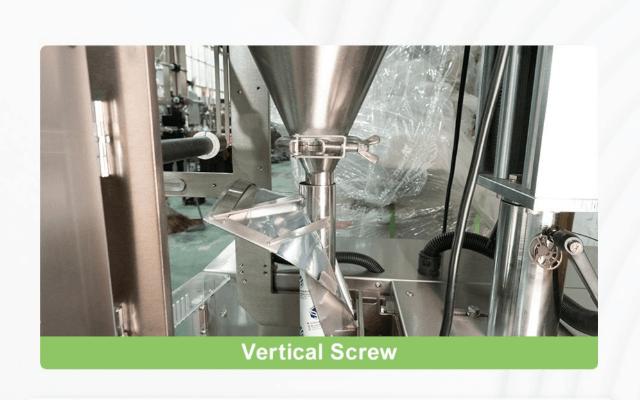
Issue a product matrix to the supplier and identify which combinations are required at delivery, which need change parts, and which remain future options. The powder packaging machine range can frame available equipment, but final approval should reference the exact hopper, filler, chute, package tooling, controls, and extraction interfaces. Witness cold startup, normal running, low supply, refill, planned stop, restart, and a representative cleaning or product conversion. Count acceptable packs, retain samples, and record dust, interventions, rejects, setup, and residue. Preserve drawings, material declarations, parts identifiers, software version, manuals, training records, and unresolved items. A new powder should enter the schedule only after technical, safety, cleaning, and package review.
Can the same machine pack flour and spice powder? Possibly, but flow, dust, oils, allergens, color carryover, dose, cleaning, and package size must be verified with the installed parts for both products.
Are augers suitable for every powder? No. Auger geometry and control suit many applications, while other materials or quantity ranges may need different metering. Representative trials should guide selection.
What makes hygroscopic powder difficult to pack? Moisture exposure can change flow, create lumps, cause buildup, and affect product quality. Material storage, room control, transfer, package barrier, and sealing all matter.
How should hazardous dust be handled? The owner must provide hazard information and obtain qualified engineering for containment, extraction, electrical classification, cleaning, and disposal. A standard dust port is insufficient proof.
When is a powder considered approved? Approval follows a documented run with specified product and package, accepted quantity and seal checks, recorded conditions, identified parts, and closure of safety and cleaning requirements.
Powder packers can serve a wide application range only through different engineered configurations. Food, nutritional, cosmetic, and industrial materials bring distinct flow, dust, wear, safety, package, and sanitation demands. A product matrix and representative trials are therefore more useful than a long marketing list. The machine should be approved for named powders and conditions, while every new material remains subject to technical review. That boundary protects operators and customers while giving future product-development teams a clear route for controlled expansion. It keeps decisions traceable.

YISEN MACHINERY - The ONE-STOP VFFS PACKING MACHINE SOLUTION SUPPLIER
 Tel: +8617350750975
 Email: info@vffspackingmachinery.com
 MP/WhatsApp: +8617350750975
 Manufacturer Address:Meixi Road, Tongan District, Xiamen,Fujian,China