

Hot Keyword:
Author:YISEN Pouch Packing Machine Manufacturer TIME:2024-10-28
The exact tasks depend on sauce viscosity, temperature, particles, allergen plan, filler type, and package format. A written checklist should follow the installed machine manual and the plant's sanitation and energy-control procedures.
Daily sauce packaging machine maintenance should prevent residue from reaching the seal zone, identify leaks or wear before they affect fills, and return the line to a documented clean and safe condition. The routine includes pre-start inspection, during-run observation, end-of-run product recovery and cleaning, plus verified first-off packs after any adjustment.
Before product is introduced, confirm line clearance, guards, emergency devices, utility connections, hose clamps, drains, product-contact assembly, and the correct recipe. Remove tools, old packaging, labels, and cleaning materials. Check that the hopper, pump, manifold, and nozzle are dry or in the defined starting condition.
Inspect seals and gaskets for incorrect seating, cuts, flattening, or swelling. Look at hoses for abrasion, kinks, clouding, and retained residue. Verify that the nozzle is secure and centered over the pouch opening. A small assembly error can become a leak only after pressure builds.
Turn the machine through approved dry or slow checks where the procedure allows. Listen for unusual mechanical sound, observe gripper or film movement, and confirm sensor status. Record the inspection instead of depending on memory between shifts.
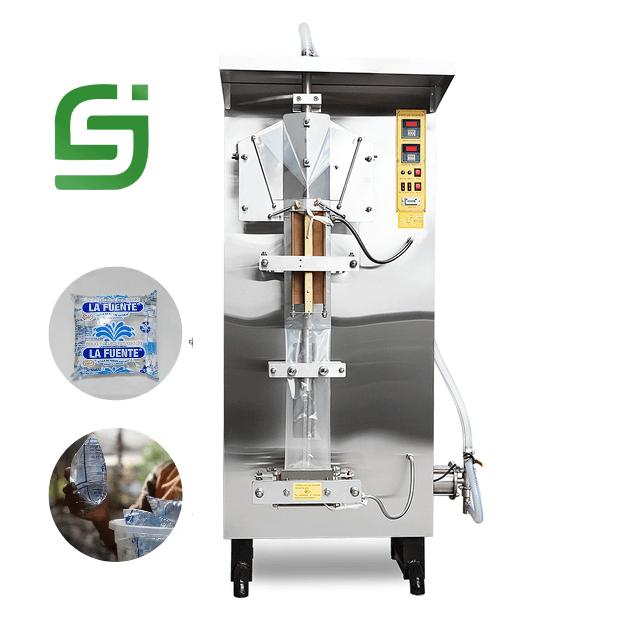
Stable production has recognizable patterns: fill correction remains small, nozzle cutoff is clean, pouches present consistently, seals look uniform, and alarms are infrequent. Operators should note gradual changes such as increasing drips, more frequent pouch adjustment, rising seal temperature correction, or unusual air consumption.
Sample fills and seals at the frequency defined by quality procedures. Identify the time, recipe, product batch, film or pouch lot, and lane where applicable. Individual results are more informative than a shift average when variation begins to widen.
Keep the surrounding area clean as the run continues. Remove a spill through the safe approved method before it reaches belts, vacuum cups, floors, or electrical equipment. Repeated sauce at the same location indicates a process cause that should be investigated, not merely wiped more often.
Filling performance depends on stable product supply, temperature, pump condition, valve motion, nozzle cutoff, and timing. Check hopper level control and transfer pressure. If viscosity changes during the shift, confirm product condition before altering the recipe. Uncontrolled adjustment can hide an upstream problem.
A drip may come from residue on the nozzle, a worn seat, damaged seal, trapped air, delayed actuator, unsuitable suck-back, or changing supply pressure. Safely isolate the affected system before inspection. Do not reach into the fill area or tighten a pressurized connection.
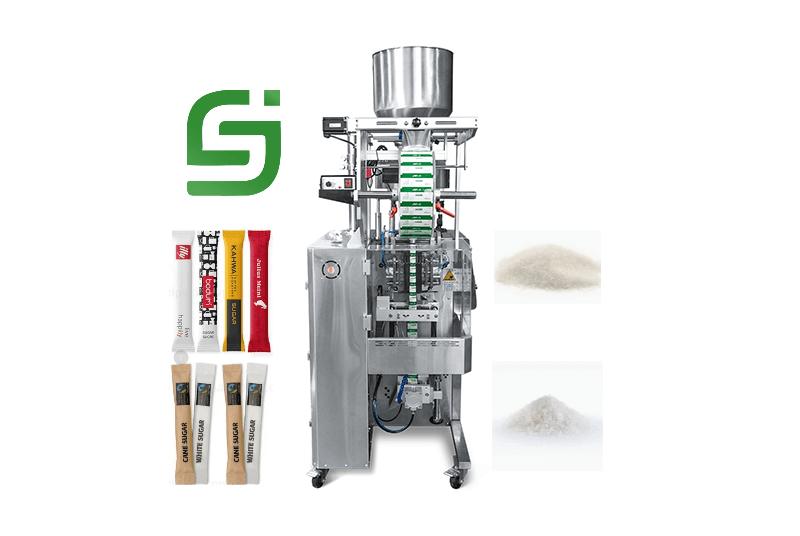
Products with particles require clear passages. Watch for partial blockage and ingredient damage. When disassembling, keep parts identified and protect polished or sealing surfaces. Use only approved replacement components and lubricants.
On rollstock lines, inspect unwind, guides, forming parts, pull belts, eye-mark sensor, and web path for sauce or packaging debris. A contaminated belt may slip and change registration. Dust or splash on an optical sensor can create intermittent faults.
On premade-pouch systems, check the magazine, vacuum cups, grippers, opening devices, and support. Sticky residue changes pickup friction and can hold two pouches together. Worn vacuum cups may cause missed openings that appear only at certain formats.
Use approved cleaning methods for these components; avoid solvents or tools that damage elastomers, coatings, or sensors. Confirm adjustments against the format sheet rather than compensating for wear by moving every station.
Seal jaws should be inspected only after safe isolation and cooling. Remove product and film buildup with non-damaging tools. Examine sealing surfaces, nonstick coverings, alignment, heater attachment, and temperature-sensor security. Scratches or residue can create channels across otherwise correct film.
Review seals under the approved test, not appearance alone. If defects rise, check product contamination, material lot, jaw pressure, temperature stability, dwell, and cooling before applying more heat. A newly sealed pouch can fail when bent or compressed too soon.
Clean printer and code sensors according to their instructions. Verify code content and adhesion after a packaging-material change or cleaning. Make sure maintenance cannot leave solvent, ribbon fragments, or loose hardware near open packs.
Stop product feed, recover material under the approved disposition rule, and drain the product path while the sauce remains removable. Put the line into the required safe state. Follow the validated clean-in-place, partial-circulation, or disassembly procedure for the installed filler.
Pay particular attention to low points, valve seats, nozzle tips, O-ring grooves, hose ends, and connections. Apply approved detergent concentration, temperature, contact, rinse, and drying requirements. Stronger chemical action is not a substitute for access and inspection.
The frame and packaging zone need a method compatible with electrical and mechanical components. Keep water and chemicals away from areas not designed for washdown. After cleaning, inspect, reassemble correctly, and leave the machine in the defined status for the next shift.
| Area | Daily or event trigger | Expected record |
|---|---|---|
| Product path and connections | Pre-start, active leak, and end of run | Assembly check, defect found, cleaning completion |
| Nozzle and fill behavior | First-off sample and any drip or weight drift | Fill results, corrective cause, replaced part |
| Film or pouch transport | Startup, format change, repeated handling fault | Format settings and pickup or registration observation |
| Seal jaws and finished closures | Scheduled sample and any contaminated seal | Seal test, temperature status, surface inspection |
| Guards, air, drives, sensors | Pre-start and unusual sound or alarm pattern | Safe condition or maintenance escalation |
Following cleaning or maintenance, verify that tools and parts are accounted for, clamps and guards are secure, the correct packaging material is loaded, and the recipe matches the product. Prime the sauce packaging machine according to procedure and segregate product made before stable conditions.
Check target fill, nozzle cutoff, pouch or film position, seal integrity, code, cut, and finished appearance. Use calibrated references and approved package tests. A single visually good pack is not enough after extensive disassembly; sample the sequence and all lanes or stations that could differ.
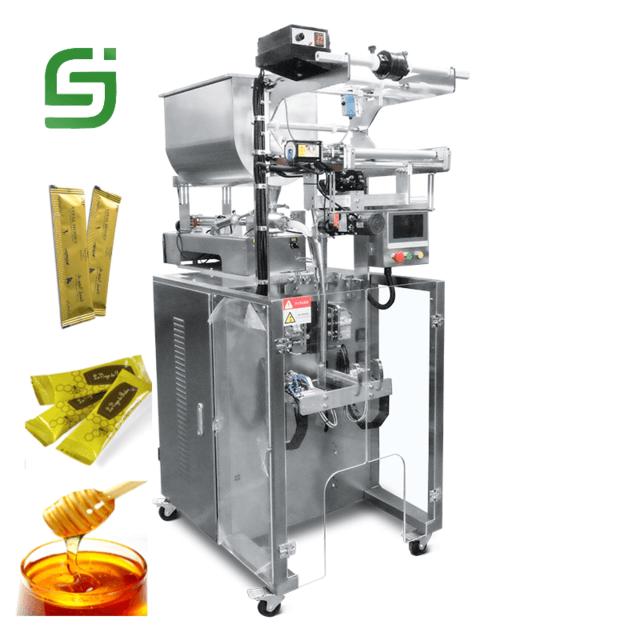
Record the release and any parts or settings changed. If the line cannot repeat the approved condition, stop and investigate rather than carrying a temporary workaround into the shift. Daily records should feed the longer preventive-maintenance plan by showing recurring faults and wear.
Shift handover should identify open maintenance points, parts changed, unusual adjustments, product remaining in the system, and the sanitation status. A machine that appears idle may still contain pressure, heat, or unfinished product. Use the plant's status controls so the incoming team does not restart from an assumption.
Inspect compressed-air quality and vacuum performance through the site's maintenance program. Water or oil in air lines, low pressure, or small leaks can change valve timing and pouch pickup. Record pressure at the machine during a fault rather than checking only the compressor room after production has stopped.
Trend seal-jaw cleaning and nozzle-cleaning frequency. If one product requires more intervention, review fill profile, headspace, sauce temperature, and package geometry. Changing the cleaning interval may contain the symptom, but an engineering adjustment can sometimes remove the source.
Maintenance parts that contact product or packaging should be protected from mix-up and contamination. Store nozzles, seals, vacuum cups, and format components by identification. Confirm that replacement elastomers have the approved material and dimensions; a visually similar seal can swell or leak in service.
Build a short escalation rule for defects that operators cannot correct through standard work. Repeated fill drift, leaking product connections, unstable seal temperature, damaged guards, or unexplained sensor bypass should move to qualified maintenance and quality review. Clear limits prevent temporary adjustments from becoming an undocumented operating state.
Review daily records in the weekly preventive meeting. Count recurring faults by station and recipe, verify completed actions, and adjust planned inspection only when evidence supports it. Closing the feedback loop keeps the checklist focused on current risks instead of expanding into an unreadable list.
Should seal jaws be cleaned while hot?
Follow the manufacturer's safe procedure. In general, isolate energy and allow a safe condition before contact; use approved tools that do not damage the surface.
Why does fill weight drift during a sauce run?
Possible causes include viscosity or temperature change, unstable supply, air, pump wear, valve leakage, nozzle buildup, or an incorrect recipe. Diagnose the condition before adjusting.
Can water be sprayed over the whole line?
Only if the installed equipment and sanitation procedure explicitly support that method. Many electrical, drive, sensor, and bearing areas require controlled cleaning.
What should operators do after a small spill?
Use the safe approved cleanup method, protect open product and packaging, inspect the source, and record repeated leakage for maintenance action.
Why verify first-off packs after cleaning?
Disassembly and reassembly can affect connections, dosing, alignment, recipes, and seals. First-off checks prove that the validated state has been restored.
Daily sauce-line care is a sequence of observation, prompt residue control, careful inspection, and evidence-based release. When operators track small changes in filling, pouch handling, and sealing, maintenance can correct causes before they create downtime or package failures. A concise checklist backed by a real sanitation procedure makes that discipline repeatable across shifts.

YISEN MACHINERY - The ONE-STOP VFFS PACKING MACHINE SOLUTION SUPPLIER
 Tel: +8617350750975
 Email: info@vffspackingmachinery.com
 MP/WhatsApp: +8617350750975
 Manufacturer Address:Meixi Road, Tongan District, Xiamen,Fujian,China