

Hot Keyword:
Author:YISEN Pouch Packing Machine Manufacturer TIME:2026-08-21
Improvement starts by measuring where time and materials are currently lost. The machine should remove the dominant constraints without creating a more complex cleaning or quality bottleneck.
An inner-and-outer tea bag line improves production efficiency when it combines dosing, filter-bag forming, tag and string application, outer wrapping, coding, and discharge into one stable flow that produces accepted packs with fewer transfers. The gain is not the catalog cycle rate. It is usable output after tea refill, material changes, cleaning, inspection, stops, and rejects are counted.
Record accepted packs, direct labor tasks, manual transfers, tea loss, filter and outer-film waste, tag or thread faults, cleaning time, changeover, quality holds, and downstream delays. Separate planned from unplanned time. If manual weighing is the largest constraint, dosing automation may help; if carton loading is already overloaded, a faster primary packer may only move the queue.
Use comparable product and package conditions. Whole-leaf blends, small doses, pyramid formats, or premium outer materials may have different output than fine tea in a basic flat bag. A mixed average hides the products that set capacity. Build the baseline by product family and campaign size.
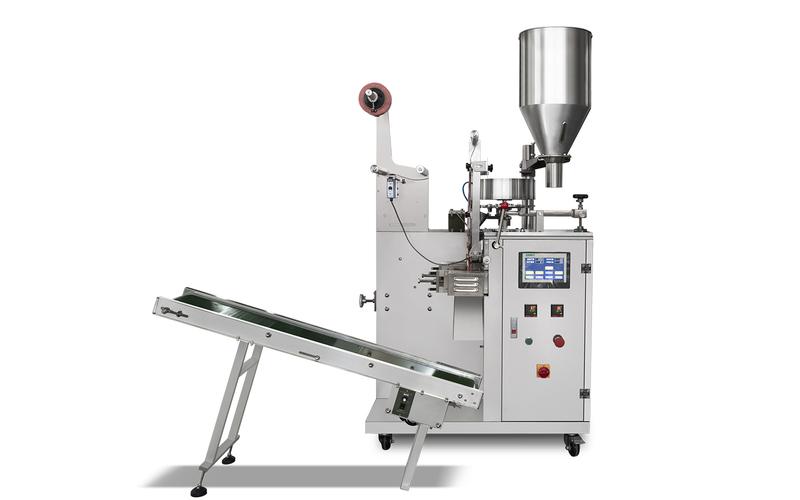
Integration can remove manual movement between separate weighing, bagging, tagging, and wrapping operations. The controller tracks material and product through each station, allowing invalid inner bags to be stopped or rejected before they consume more components. Interfaces must define ready, run, hold, fault, and restart behavior rather than merely switching devices on together.
Verify that one station's delay does not destabilize another. Tag replenishment, outer-film registration, or coder availability can stop the line while tea remains in the dosing path. The functional description should state how the machine protects incomplete packs and which samples must be checked after recovery.
Efficient running depends on controlled replenishment of tea, filter roll, thread, tags, outer film, and coding consumables. Define minimum and refill levels, roll-change method, component orientation, splice policy, and safe loading. Oversized buffers can increase tea residence or component confusion; undersized supplies create frequent stops.
Use visual or sensor indications with clear operator actions. A low-level signal should provide enough time for normal refill without flooding or compacting tea. Material-end warnings should identify the correct station. Track losses around each replenishment event and improve preparation, component staging, or supplier presentation before weakening detection.
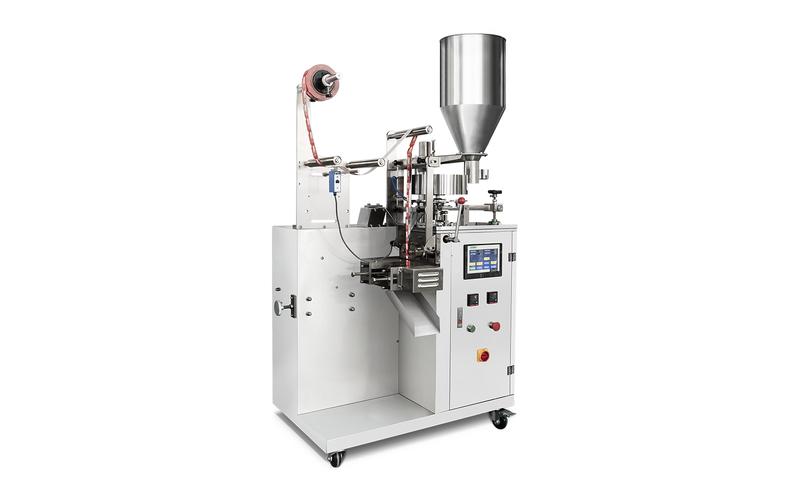
Detect missing tea, poor inner formation, failed attachment, incorrect tag, bad outer registration, code absence, or sealing faults at the earliest practical point. Inspection should have a defined defect, challenge method, reject path, and response to failure. A sensor option is useful only when the line acts on its evidence and operators understand its limits.
Classify rejects by originating station. One total reject count cannot show whether tea is spilling, filter material is drifting, thread is tangling, or outer film is misregistered. Correct the largest recurring source and verify the same product event. Running faster while defects rise reduces accepted output.
Map every conversion task: tea removal, cleaning, dosing parts, filter roll, former or bag setting, thread and tag, outer film, code, recipe, first-off sampling, and line clearance. Separate internal tasks requiring a stopped machine from external preparation that can be completed safely beforehand. Stage identified parts and approved materials without mixing products.
Use documented reference positions and controlled recipes, but keep mechanical confirmation. Digital settings cannot verify the correct cup, forming part, tag supply, or film orientation. Measure the complete change from last accepted pack to first accepted pack, including quality release, rather than stopping the clock after mechanical adjustment.
Alarms should identify the station, condition, and safe first check. An inner-film fault, tag jam, outer temperature deviation, tea starvation, and downstream blockage affect different packages. Preserve event sequence so technicians can distinguish the initiating problem from secondary stops.
Define what happens to tea and materials already in process. Some partial packs need segregation or rejection. After correction, confirm the physical path, select the approved recipe, and inspect first-off complete packs. Repeated resets without identifying affected product can make a short stop appear efficient while creating a quality risk.
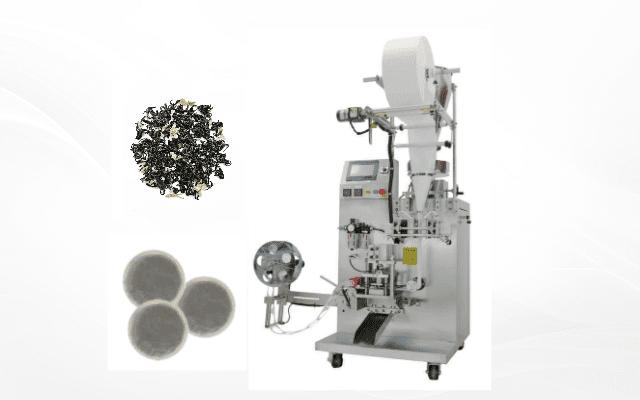
Run representative tea and commercial materials for a period that includes normal replenishment, inspection, a planned stop, restart, and one frequent format change. Record accepted packs, reject categories, material use, operator interventions, and all delay reasons. State the available production time and package-release criteria.
| Efficiency factor | What to measure | Misleading shortcut | Improvement action |
|---|---|---|---|
| Tea supply | Refill frequency, spill, dose recovery | Ignoring manual hopper correction | Control buffer, level, and refill method |
| Packaging materials | Roll and component change loss | Counting setup film as good production | Stage materials and standardize loading |
| Integrated station quality | Rejects by inner, tag, outer, code | Using one combined reject total | Repair the first defective station |
| Changeover | Last accepted to first accepted pack | Timing only mechanical adjustment | Prepare parts and improve release sequence |
| Stop recovery | Fault duration and affected packages | Ending time when the alarm clears | Improve diagnosis and first-off verification |
Calculate usable output from packs meeting the complete specification. Compare it with demand and the baseline using similar campaign conditions. The trial supports a defined configuration, not every tea and format the supplier may mention.
Automation changes labor rather than eliminating responsibility. Operators load tea and components, inspect packs, respond to alarms, clean, change formats, and maintain records. Determine whether one person can safely perform these tasks at the required sampling frequency. Downstream collection or cartoning may need separate staffing.
For an inner and outer bag tea packaging machine, maintenance should protect dosing, filter tracking, attachment, outer sealing, coding, and controls. Stock the critical parts that stop the entire integrated line. Train operators and technicians with real faults and complete-pack checks; an integrated machine is efficient only when the team can restore it without random adjustments.
Is machine speed the same as production efficiency?
No. Efficiency concerns accepted output during available time after material changes, stops, cleaning, changeovers, inspection, and rejects are included.
Which loss should be improved first?
Use baseline data to find the largest controllable loss by product family. The answer may be dosing, tags, film, seals, changeover, or downstream handling.
Can one operator run the complete line?
Possibly, but only after task frequency, safe replenishment, sampling, alarms, cleaning, and downstream work are observed under representative conditions.
How should a format change be timed?
Measure from the last accepted previous pack to the first accepted new pack, including line clearance, cleaning, code, setup, and quality release.
Why can a faster setting reduce output?
It may increase tea damage, missed attachments, registration faults, seal contamination, interventions, or downstream accumulation, producing fewer accepted packages.
Downstream handling belongs in the efficiency calculation. Outer sachets may be counted, cartoned, bundled, or assembled into assortments. If packs arrive tangled, in mixed orientation, or faster than operators can collect them, the line will stop or accumulate rejects. Define buffer, transfer, staffing, and stop signals with the primary machine.
Utilities can set a hidden capacity limit. Verify air pressure and quality, electrical load, extraction, heating, cooling, and room conditions during simultaneous operation. A short trial may not reveal pressure drop or temperature drift after all stations reach steady state. Include utility alarms and recovery in acceptance.
Production data should use definitions that supervisors can verify physically. Distinguish scheduled time, running, starved, blocked, faulted, changing, cleaning, quality hold, and accepted output. Review the largest losses routinely and assign actions. A dashboard that counts only cycles can reward speed while hiding tea and material waste.
Preventive maintenance protects integration. One worn tag cutter or dirty registration sensor can stop dosing, inner formation, outer wrapping, and downstream packing together. Rank spares by complete-line consequence and realistic delivery time. Maintenance release should reproduce the affected tea and format rather than relying on empty mechanical motion.
When comparing suppliers, require the same campaign scenario and reporting definitions. Ask who integrates the feeder, attachment, coder, inspection, reject, and discharge interfaces. Differences in included work can appear as performance differences. An itemized scope and witnessed site-user operation make the efficiency comparison more credible.
Quality sampling capacity must grow with line output. Scales, seal tests, code checks, records, and retained-sample storage should handle the proposed rate without delaying release or reducing coverage. Automated inspection helps only when challenged and supported by a controlled reject route.
Use the first months of operation to compare predicted and actual losses. Review stop categories, campaign yield, staffing, cleaning, and changeover by product. Update schedules and maintenance through controlled decisions. Early evidence often reveals that a small material or component issue matters more than another speed increase.
Retain the campaign assumptions with the final capacity result so future demand planning uses the same definition of accepted production.
Inner-and-outer tea automation improves efficiency by connecting tasks and making losses visible, not by increasing cycles in isolation. Establish a baseline, stabilize every supply, prevent defects at their source, and measure complete accepted packs through changeover and recovery. The resulting capacity study shows whether integration genuinely fits demand and staffing.

YISEN MACHINERY - The ONE-STOP VFFS PACKING MACHINE SOLUTION SUPPLIER
 Tel: +8617350750975
 Email: info@vffspackingmachinery.com
 MP/WhatsApp: +8617350750975
 Manufacturer Address:Meixi Road, Tongan District, Xiamen,Fujian,China