

Hot Keyword:
Author:YISEN Pouch Packing Machine Manufacturer TIME:2024-11-27
Use a premade-bag line through a controlled sequence: verify installation and utilities, confirm the approved product and pouch, install the correct filling and format parts, load the magazine, set and inspect the recipe, run dry checks, prime the filler, approve first-off packs, monitor production, contain faults, and complete shutdown and cleaning. Operators should follow the manufacturer and site procedures for the installed model.
The machine normally receives finished pouches, separates them, grips and opens each bag, confirms readiness, fills the product, conditions the top, seals, cools, codes, and discharges the pack. Rotary and linear designs arrange these functions differently, so this guide explains operating logic rather than replacing the equipment manual. Only trained personnel should adjust guarded mechanisms, energy sources, heated jaws, pneumatic parts, or product modules. Before production, identify the product, quantity, pouch drawing, material lot, closure features, code, filler, change parts, cleaning status, and release criteria. Ensure upstream product supply and downstream conveyors are ready. A correct setup begins with documentation and physical inspection, not by choosing the closest recipe name and pressing start. Supervisors should plan the material route around the machine as carefully as the settings. Define where unopened pouch cartons are stored, how lots are issued, how an operator replenishes the magazine without mixing artwork, and where empty cartons and rejected pouches go. Product containers or bulk supply should reach the filler without unsafe lifting or unstable pressure. Finished bags need enough conveyor space to cool and should not be compressed by accumulation before inspection. Confirm that case packers, counters, or manual tables can accept the real output pattern after a stop. Shift handover should note remaining product, pouch lot, current recipe, active alarms, temporary adjustments, maintenance observations, and samples awaiting disposition. These controls prevent the next operator from inheriting an unexplained condition and help trace whether a quality issue began with product, pouch material, setup, or a specific event.
Inspect guards, interlocks, emergency stops, access doors, air and electrical connections, product hoses, drains, extraction where required, and the discharge route according to the approved checklist. Confirm that maintenance is complete, tools are accounted for, and no old product, pouches, labels, or codes remain. Verify the machine status after cleaning and ensure removed parts have been reinstalled with correct seals, clamps, and orientation. Heated sealing areas should be clean and undamaged before warm-up. Check that the intended utilities are available within the machine's operating limits. If any protective device is defeated, a leak is present, or the configuration is uncertain, hold the line and escalate. A production target never justifies bypassing a safety or quality condition.
Confirm pouch identity, dimensions, laminate or converter reference, artwork, zipper or spout orientation, and lot status. Fan or prepare bundles only as the pouch supplier and work instruction permit. Place them in the magazine with a consistent opening direction, then adjust guides to support the stack without squeezing gussets or curved edges. Set pickup contact points and grippers using the approved setup marks. Run several pouches without product to observe single pickup, transfer, opening, sensor response, station alignment, and discharge. A double pick or failed opening should produce the specified no-fill response. Keep rejected samples and look for patterns related to curl, static, zipper location, pouch thickness, one bundle, or one machine position.
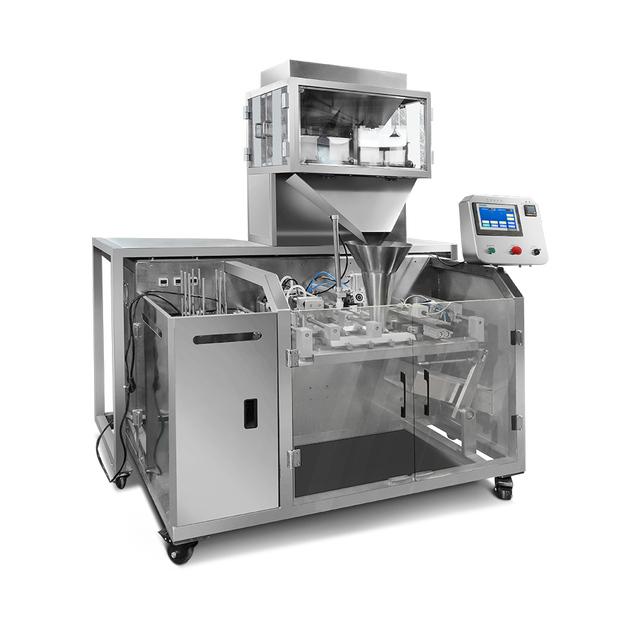
Powders, granules, solids, liquids, and pastes need different hoppers, meters, pumps, chutes, valves, nozzles, and containment. Match every physical component to the setup sheet before introducing product. Check contact materials, seals, fasteners, hose routing, product level devices, refill signals, and nozzle or chute height. For liquid, verify a secure and drainable path; for powder, close connections and prepare dust controls; for fragile pieces, inspect the drop route. Prime or prefill through the approved method and contain startup material. A pre-made bag packaging machine cannot correct unstable upstream supply, so watch tank pressure, hopper level, aeration, and refill. Do not copy settings from a similar product unless that transfer is authorized and verified.
The recipe may control timing, quantity commands, opening confirmation, settling, sealing, coding, and alarms, but it must correspond to the installed parts and pouch. Review critical values against the setup sheet and restrict changes to authorized roles. Start at the prescribed setup rate, then collect sequential first-off pouches. Confirm quantity through the owner's method, pouch opening, product placement, headspace, seal-zone cleanliness, zipper or spout function, seal appearance and integrity, code content and position, and discharge condition. Record adjustments and the final accepted values. Do not accelerate until the process is stable. Retain an approved reference pouch and any useful defect examples so the shift can distinguish normal variation from a condition that requires intervention.
Operators should watch pouch supply, pickup, opening, fill, top condition, sealing, coding, cooling, and takeaway rather than focusing only on the control screen. Replenish the magazine and product before they reach unstable conditions, following the approved method. Sample finished packs at the defined frequency and trend quantity, seal, code, appearance, and rejects. Listen for changes in gripper motion, air leaks, pump or auger sound, and film or pouch contact. Remove loose product from approved accessible areas before it accumulates, without reaching through guards or using an unapproved cleaning method. Practical output is accepted packs delivered downstream. A rising intervention rate is an early warning even if the displayed cycle rate remains unchanged.

When an alarm stops the sequence, read the station and condition before resetting. Identify every pouch held between pickup and discharge and follow the site's rule for inspection, rejection, or reconciliation. Clear jams only after the required isolation. A failed opening may leave an empty bag; interrupted filling can create partial quantity; a seal-temperature alarm can affect several pouches; downstream blockage can deform warm packs. Correct the cause, confirm guards and parts, then run the required first-off checks. Repeated resets without investigation hide the pattern and can mix uncertain packs with good production. Record the product, pouch lot, station, alarm, action, and result so maintenance and engineering can find recurring losses.
The operating record should be short enough to use and specific enough to support release. The table summarizes checks that belong at different moments.
| Moment | Operator confirmation | Record or sample |
|---|---|---|
| Before start | Correct parts, pouch, product, recipe, code, guards, and line clearance | Signed prestart checklist |
| First-off | Quantity, placement, seal, closure, code, and appearance accepted | Identified reference pouch |
| During run | Supply, station behavior, sampling, rejects, and housekeeping stable | Periodic inspection and event log |
| After alarm | Cause addressed and suspect work in process contained | Fault record and restart samples |
| Shutdown | Product, pouches, code data, and machine status controlled | End-of-run and cleaning handover |
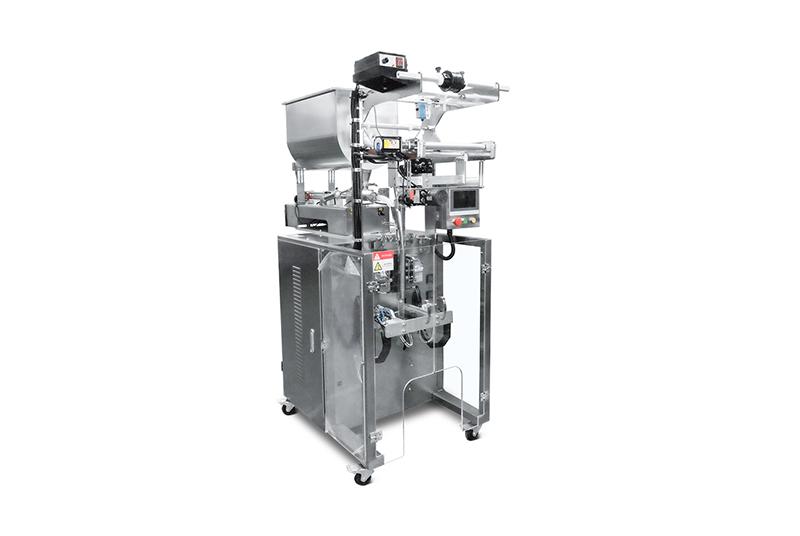
Stop product supply through the approved sequence, finish or segregate pouches already in process, reconcile counts, and remove remaining packaging material with lot identification. Recover, drain, or discard product according to site rules. Apply energy isolation before dismantling components and allow hot areas to cool. Clean tanks, fillers, valves, hoses, nozzles, chutes, grippers exposed to product, seal surroundings, drip trays, and guards through the validated procedure. Inspect wear and damage while surfaces are visible, then document any maintenance hold. The premade pouch packing machine range provides equipment context, while the exact shutdown steps must come from the installed manual and local program. Leave the line clearly identified as clean, awaiting inspection, under maintenance, or ready.
What should be run before product enters the machine? A controlled dry pouch check can confirm single pickup, opening, sensor response, station position, sealing motion where permitted, coding alignment, and discharge.
Why does the machine show no pouch, no fill? The interlock prevents dosing when a valid opened pouch is not confirmed. Investigate pouch quality, pickup, opening devices, vacuum, guides, and sensors.
Can operators change sealing temperature to fix a leaking pouch? Only authorized personnel should adjust within the approved process. First inspect contamination, material, alignment, pressure, dwell, cooling, and pouch handling.
What happens to pouches inside after an emergency stop? Treat them as potentially affected work in process and follow the site's reconciliation and inspection rule before controlled restart.
How is operator performance improved? Use supervised training, clear setup sheets, reference packs, meaningful alarms, role-based access, fault records, and practice on safe stop-and-recovery scenarios.
Using a premade-bag machine well means controlling the entire shift from line clearance to cleaning. Correct parts, pouches, product supply, recipes, first-off approval, station observation, and fault containment are more important than memorizing button sequences. Operators should work from the installed manual and local procedures, while retained samples and event records connect everyday decisions with maintenance and engineering support. A periodic review of alarm frequency, rejected pouches, product spills, and changeover time can identify where additional training or a mechanical correction is needed. Use those trends to improve the approved method instead of creating informal shortcuts on individual shifts. That review keeps the written standard current while preserving authorization and quality controls. The resulting controls remain visible and consistent.

YISEN MACHINERY - The ONE-STOP VFFS PACKING MACHINE SOLUTION SUPPLIER
 Tel: +8617350750975
 Email: info@vffspackingmachinery.com
 MP/WhatsApp: +8617350750975
 Manufacturer Address:Meixi Road, Tongan District, Xiamen,Fujian,China