

Hot Keyword:
Author:YISEN Pouch Packing Machine Manufacturer TIME:2024-12-01
A useful analysis fixes the product, target, tolerance, package, sampling method, and run conditions before comparing settings or machines. It then separates random variation, persistent bias, rejected packs, and time losses.
A powder packaging machine's accuracy should be judged from the distribution of individual packs, while efficiency should be judged from conforming packs produced with acceptable waste and downtime. Neither can be represented by one average or an empty-cycle speed. Powder condition, filler design, product supply, bag handling, sealing, and inspection all contribute to the measured result.
The target is the intended fill. Bias is the difference between the process average and that target. Variation describes how individual results spread. A process can have a correct average while producing too many low and high packs. Centering cannot compensate for uncontrolled spread without creating excess giveaway.
Choose the permitted range through the product's legal and quality requirements. Specify tare treatment, scale resolution, sample frequency, and rules for rework. Count package defects separately from weight defects so the improvement team knows whether the filler or another station is responsible.
Useful output is conforming packs over a stated planned period. Record setup, refill, film change, cleaning, small stops, quality holds, and maintenance. Include powder and film waste. This prevents a fast but unstable setting from appearing efficient.
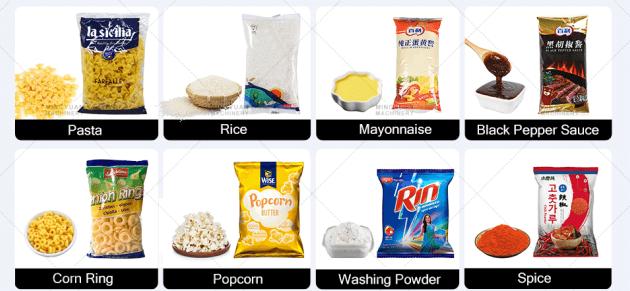
Bulk density, aeration, moisture, particle distribution, flow, and temperature can change during a batch. Fine powder may compact as hopper level falls; a blend may separate under vibration; hygroscopic material can form lumps. Record product condition alongside fill results.
Control the level above the dosing device. Large changes in head pressure can alter auger or volumetric behavior. Upstream transfer should not introduce uncontrolled air or create long starvation periods. A sensor needs an appropriate refill response rather than repeated operator correction.
Sample early, middle, and late material when a batch changes during residence. If supplier or seasonal variation is significant, include separate lots. Machine capability is meaningful only within a declared material envelope.
An auger dose depends on screw geometry, rotations, speed profile, tube clearance, agitation, and product head. Volumetric cups depend on fixed volume and stable density. Weighing systems depend on controlled coarse and fine feed, stabilization, and discharge. None is immune to product or setup variation.
Look for patterns. A steady high bias suggests target or calibration; increasing spread may indicate inconsistent feeding, product change, wear, or vibration; periodic peaks may match refilling. A tail of underfills can follow bridging or incomplete discharge.
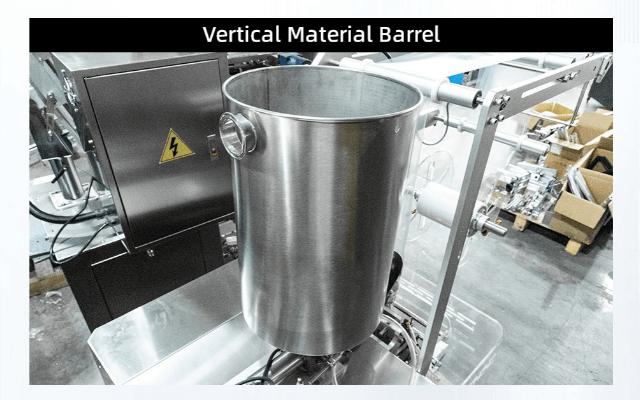
Use reference equipment suited to the pack size and maintain it through the site's calibration system. Confirm that measurements are stable and that operators use the same tare and rounding method.
Powder can remain in the chute, spill outside a bag, escape as dust, or become trapped in a seal. A filler record may show the intended dose while the finished pack is light or defective. Compare measurements at the appropriate point and inspect the transfer path.
Bag opening, film forming, static, headspace, displaced air, and seal timing influence product retention. A contaminated seal may require rejection even when fill weight passes. The package material's seal window and the jaw condition affect how much speed is practical.
The powder packing machine should therefore be studied as a whole line. Coding, cutting, checkweighing, reject handling, and discharge can also create stops or waste that belong in the efficiency result.
Random samples during a stable period are useful, but they do not describe startup, refill, stop, or restart. Define additional samples around these events. On multi-lane lines, identify every lane. Keep timestamps so results can be connected to alarms and operator actions.
Averages, range, standard deviation, reject count, and a plot over time can each reveal different behavior. Use statistics appropriate to the sample and avoid claiming long-term capability from a short, selected run. Quality professionals should set the formal method.
Keep rejected packs in the dataset with their reason. Removing inconvenient observations produces an attractive number but hides the process the customer will experience.
Shortening the dosing or seal cycle may increase theoretical rate, but can widen fill spread, create dust, reduce settling, or raise seal rejects. Conversely, unnecessarily slow feeder phases or excessive stabilization may reduce capacity without improving control.
Test several approved settings under identical conditions. For each, calculate accepted packs, product giveaway, powder loss, film waste, intervention, and stop time. Select a central operating point with margin for normal material variation rather than the fastest passing moment.
Maintenance and cleaning influence both metrics. Worn screws, seals, belts, or jaws create gradual deterioration. Trend results by operating hours and product so preventive work can be scheduled from evidence.
| Observed pattern | Possible systems involved | Evidence to collect |
|---|---|---|
| Average correct, spread too wide | Feeding instability, product variation, vibration, measurement | Individual values, hopper level, density, refill timing |
| Weight changes after refill | Aeration, head pressure, feeder response | Pre- and post-refill samples plus product condition |
| Filler target passes but packs reject | Spillage, dust, bag opening, sealing | Transfer observation and defect location |
| Higher speed creates more giveaway | Coarse/fine feed balance and correction strategy | Settings comparison using the same product lot |
| Good short run, poor shift result | Micro-stops, cleaning, roll changes, wear, material lots | Time-based event and waste log |
Condition the product and film as normal. Document recipe, hopper level strategy, target, tolerance, bag, reference instrument, and inspection method. Begin with setup samples identified separately, then collect a sustained sequence across the run.
Include product refill, film or pouch replenishment, a planned stop, and restart. Record all adjustments. Sample weight and seal quality at defined points, and count accepted output, rejects, powder loss, and operator interventions.

Review the result by time and event before changing settings. If an improvement is tested, repeat under comparable conditions. Save the approved configuration and the material envelope so future teams know what the conclusion actually covers.
Measurement-system variation should be separated from machine variation. Repeat weighing of the same sealed pack can reveal unstable references, drafts, vibration, or inconsistent placement. Tare samples should represent actual packaging-material variation. If the measurement method is noisy, it can trigger unnecessary filler corrections.
Check the relationship between hopper level and dose. Divide results into level bands and compare bias and spread. A strong pattern can indicate head-pressure sensitivity, refill aeration, or an inadequate level-control window. The correction may involve supply strategy or agitation rather than a new target.
Startup product deserves its own disposition. Powder left from priming, recipe stabilization, or film threading should not be mixed with proven production without an approved rule. Counting setup waste consistently gives a truthful efficiency baseline and motivates improvements in restoration.
On lines with automatic checkweigher feedback, review delay and correction size. Several packs may be in transit between filler and scale, so a result describes an earlier dose. Large immediate corrections can overshoot in the opposite direction. Set feedback limits with the equipment supplier and quality owner, then challenge the logic during testing.
Environmental dust can affect mechanical movement, sensors, and external scales. Containment and cleaning protect more than housekeeping. Track whether measurement drift or package faults rise as a run progresses and inspect the corresponding accumulation points.
Use control charts or other approved trend tools only after data definitions are stable. A chart based on mixed recipes, changed tare, or removed rejects creates misleading conclusions. Preserve raw individual values with event notes so later analysis can reconstruct the operating context.
Report confidence and limitations with every study. Identify the product lots, weather or room condition, operators, machine configuration, and events covered. Results from a short stable batch should not be extended to a humid season, different supplier, or new film without review.
When the process changes, repeat enough of the baseline to confirm that improvement remains. A new auger, revised agitation, lower-gauge film, or faster checkweigher setting can alter multiple loss points. Change control should connect the technical reason, risk review, test data, and approved recipe.
Is average fill enough to prove accuracy?
No. Individual variation and the number outside the permitted range matter. Averages can hide high and low tails.
Why does powder density affect a volumetric filler?
A fixed volume contains a different mass when bulk density changes. Product conditioning and frequent verification are therefore important.
Can faster auger rotation reduce accuracy?
It can alter cutoff, aeration, dust, and control near target. Test the complete speed profile rather than assuming one direction.
Should seal rejects count against efficiency?
Yes. A pack is not acceptable merely because its dose is correct. Package defects reduce saleable output.
How long should a capability run last?
Long enough to represent normal operation and relevant events. The formal duration and sample size should follow the buyer's quality method.
Powder accuracy and efficiency are connected but distinct. Measure individual fills, material condition, package defects, time losses, and waste under defined conditions. When data follows the product from hopper to accepted bag, improvement work can target the actual cause instead of shifting loss from the filler to another station.

YISEN MACHINERY - The ONE-STOP VFFS PACKING MACHINE SOLUTION SUPPLIER
 Tel: +8617350750975
 Email: info@vffspackingmachinery.com
 MP/WhatsApp: +8617350750975
 Manufacturer Address:Meixi Road, Tongan District, Xiamen,Fujian,China