

Hot Keyword:
Author:YISEN Pouch Packing Machine Manufacturer TIME:2026-06-11
The central difference is where the package is created. A Doypack premade-pouch machine receives finished pouches, opens them, fills them, and seals the top. A vertical form-fill-seal machine unwinds rollstock, forms a bag around a tube, fills it, makes the required seals, and cuts it. That distinction changes material supply, package features, format change, fault modes, operator work, and cost structure. Buyers should compare both routes with the same product and commercial package requirement.
Premade pouches arrive from a converter with their shape and optional features already produced. A magazine presents them to pickup devices; grippers transfer them through opening, filling, optional operations, top sealing, cooling, and discharge. Reliable separation and opening are critical.
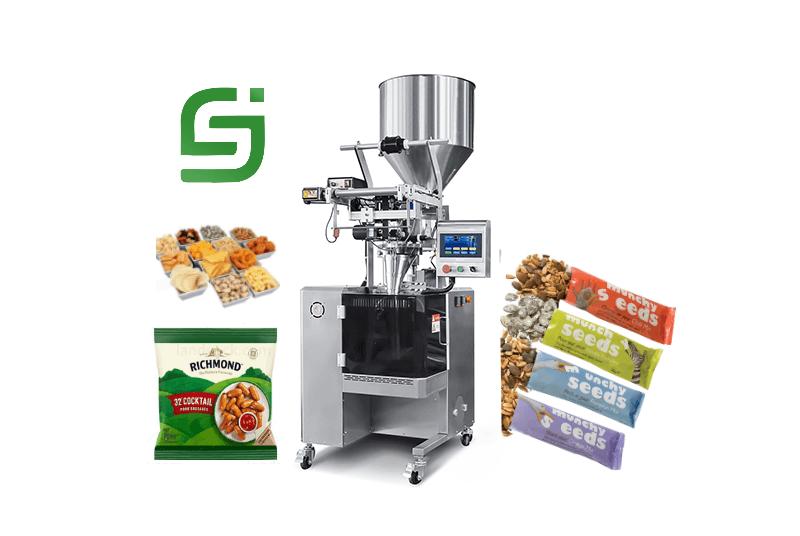
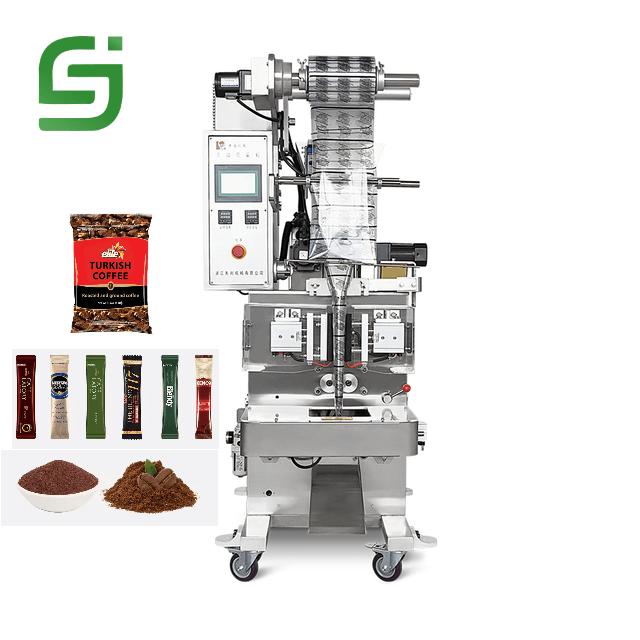
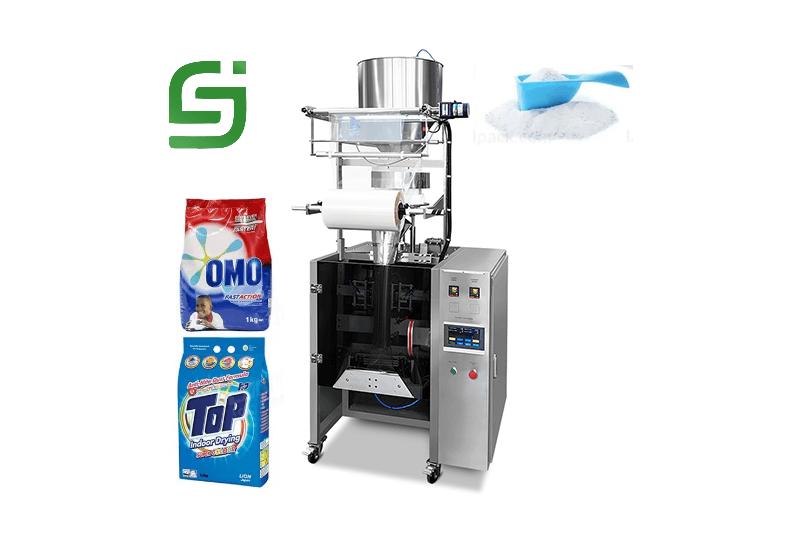
VFFS starts with a film reel. The web is tensioned and guided around a forming set, a longitudinal seal creates the tube, product enters vertically, transverse jaws close the ends, and the finished bag is cut. Film tracking, forming geometry, registration, and seal timing are central.
Neither architecture determines the filler automatically. Powders, granules, pieces, liquids, and sauces still need appropriate metering and a controlled interface. The bag process and product process must be evaluated together.
Doypack-style premade pouches can provide converter-made stand-up geometry, zippers, spouts, shaped edges, or other approved features. They may suit products where retail presentation and consumer convenience are major requirements. The packer must handle those features without damaging or contaminating them.
VFFS can produce approved pillow, gusseted, sachet, or related rollstock formats according to the platform and options. Some advanced features can be integrated, but complexity, material, changeover, and maintenance should be compared with purchasing them in a finished pouch.
Begin with a filled package drawing and sample. Define dimensions, fill volume, headspace, barrier, strength, seal bands, closure, artwork, code, opening, and case orientation. Choosing equipment before the commercial pack often creates an avoidable compromise.
Product density, particle size, dust, fragility, viscosity, inclusions, temperature, and target quantity determine feeding and dosing. The filler needs enough passage and time to complete the dose while the package remains valid. Compare quantity stability and product condition for both machine interfaces.
Premade pouches can offer a broad opening, but a zipper, spout, or narrow design may reduce clearance. Grippers and supports carry the filled weight. VFFS sends product through the forming tube; large pieces and dust must clear before cross sealing. Drop height and tube size matter.
A Doypack pouch packing machine should not be chosen solely because a product is premium, and VFFS should not be chosen solely because a product is simple. The physical product-and-package combination is the gate.
Rollstock and premade pouches have different unit prices, order quantities, print processes, lead times, inventory volumes, transport, storage, and waste patterns. VFFS waste may arise during threading, splice, registration, setup, or forming faults. Premade losses may arise from double feeds, pickup misses, opening failures, drops, or top-seal rejects.
Obtain commercial quotations for the intended material and likely annual volumes. Include artwork changes and obsolete stock risk. A low material price is not valuable if the structure does not meet product protection or machine handling requirements.
| Decision factor | Premade Doypack route | VFFS route |
|---|---|---|
| Package creation | Converter supplies finished pouch geometry | Machine forms bag from rollstock |
| Primary material control | Stack quality, separation, curl, opening, and tolerance | Unwind, tension, tracking, forming, registration, and splice |
| Format work | Magazine, grippers, opening, fill, support, and top seal | Forming set, film, length, registration, seals, and cut |
| Common presentation strength | Finished converter features and stand-up pouch options | Integrated production of approved rollstock bag styles |
| Fair comparison | Accepted packs, material loss, labor, changeover, quality, and support | |
Premade-pouch operators load stacks and control orientation and magazine condition. A format change may adjust guides, grippers, suction, opening devices, filler position, supports, and seal stations. VFFS operators load rolls, thread or splice film, install forming hardware, set registration, and qualify longitudinal and transverse seals.
Both routes require product removal and cleaning appropriate to the application. Both require recipe selection, coder setup, first-off inspection, and handling of change parts. Measure from last accepted old package to first accepted new package rather than timing only mechanical adjustments.
Staffing should be mapped by task. Film rolls can be heavy; pouch stacks require frequent organized replenishment; fillers need product; quality samples must be taken; routine faults require response. Automation redistributes work rather than eliminating it.
Premade systems can double feed, miss pickup, fail to open, grip incorrectly, contaminate zippers, wrinkle top edges, or drop filled pouches. VFFS can wander on the web path, form unevenly, lose registration, make a poor longitudinal seam, trap product in cross seals, or cut at the wrong position.
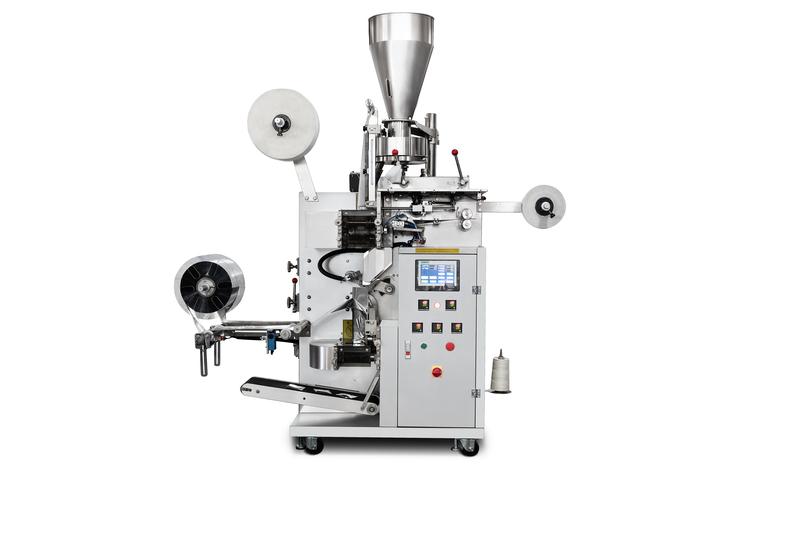
Both need correct quantity, clean compatible seals, readable code, safe guarding, controlled rejects, and stable discharge. Define what happens after abnormal seal temperature, missing package material, filler fault, or downstream stop. Apply the producer's package-integrity method to startup, stable output, replenishment, and restart.
Material changes should be controlled. A visually similar film or pouch can differ in friction, stiffness, sealant, thickness, curl, or tolerance and produce a new fault pattern.
Include machine and filler, product feed, package material, coder, inspection chosen by the owner, discharge, change parts, layout, utilities, freight, installation, training, documentation, spares, cleaning work, labor, waste, maintenance, and support. Use qualified advice for import, tax, or regulatory costs.
Compare cost at the same accepted output and package requirement. A lower purchase price can be offset by material or changeover; a premium pouch can support a commercial strategy that a simpler bag does not. These are business-specific inputs, so no universal winner or payback should be stated.
Review portfolio direction. Stable high-volume formats and varied premium launches may not point to the same architecture. A factory can also use separate lines when one compromised platform would create excessive change or package limits.
Give competing suppliers the same product, target quantity, package function, demand, and quality criteria. Use intended rollstock and premade pouches where possible. Select the most difficult product and format. Define accepted-output counting and package tests before the demonstration.
Run startup, product refill, material replenishment, stable operation, controlled stop, restart, and a representative changeover. Record quantity, product damage, material waste, defects, seal results, coding, interventions, cleaning, and access. State any manual feed or substitute material.
Score package fit, product handling, accepted output, material supply, quality risk, changeover, labor, maintenance, layout, documentation, parts, and support after mandatory gates pass. Preserve assumptions so the decision can be revisited when the portfolio changes.
Evaluate the packaging converter relationship for each route. Premade quality depends on pouch dimensions, stack presentation, zipper or feature construction, and top-edge consistency. Rollstock quality depends on reel construction, width, gauge, friction, print repeat, registration mark, and sealant. Agree on incoming checks and notification before material changes. Machine adjustments should not become the permanent response to uncontrolled converter variation.
Capacity resilience can also affect the choice. One high-output line may look efficient but make every product dependent on one asset. Several formats on a premade platform can create long cleaning or gripper changes; several widths on VFFS can create forming-set and film inventory. Model maintenance downtime, campaign length, demand peaks, and whether a second route is needed for backup or specialty launches.
Review finished packages after realistic downstream handling. A stand-up pouch can tip or rotate on a conveyor, while a light formed bag can fold at guides. Heavy contents can stress fresh seals on either system. Inspection aperture, checkweigher belt, reject device, accumulation, case packing, and pallet pattern should accept the actual package rather than a flat empty sample.
Finally, distinguish package value from machine preference. A Doypack may earn its place through shelf and consumer requirements even when its process is more complex. A VFFS bag may provide the required function with a simpler material route. The decision record should show that commercial package value and production evidence were considered together.
Is a premade pouch machine always slower than VFFS?
No universal comparison is valid. Product, dose, pouch handling, filling, seals, rejects, and operating events determine accepted output.
Does VFFS only make pillow bags?
No. Available formats depend on the platform and options, and each proposed material and bag still needs review and testing.
Can both machines use the same filler?
Sometimes, if mechanical space, discharge geometry, controls, timing, guarding, and cleaning interfaces are engineered for each route.
Which option uses cheaper packaging material?
Compare actual quotations, waste, order quantities, inventory, features, barrier, and quality for the intended commercial pack.
What is the strongest final decision evidence?
Matched trials with the same product and package function, supported by total project cost and daily operating analysis.
Premade Doypack and VFFS machines differ principally in package creation and handling. That choice affects material supply, shelf features, changeover, defects, labor, and cost, while product dosing remains a separate engineering requirement. Define the finished pack first, then compare both routes under matched trials and a complete project boundary. The better option is the one that produces the required accepted package with manageable daily work.

YISEN MACHINERY - The ONE-STOP VFFS PACKING MACHINE SOLUTION SUPPLIER
 Tel: +8617350750975
 Email: info@vffspackingmachinery.com
 MP/WhatsApp: +8617350750975
 Manufacturer Address:Meixi Road, Tongan District, Xiamen,Fujian,China