

Hot Keyword:
Author:YISEN Pouch Packing Machine Manufacturer TIME:2024-09-12
The most useful evaluation compares the current process with a defined proposed process. Measure accepted packs, interventions, product loss, cleaning effort, and changeover results rather than relying on general claims about automation.
A ketchup line can improve portion consistency, seal cleanliness, packaging repeatability, labor allocation, and production records when it is configured for the sauce, pouch, and operating routine. These are potential advantages, not automatic outcomes. They appear only after the product supply, filler cutoff, package handling, cleaning access, and quality checks have been proven together.
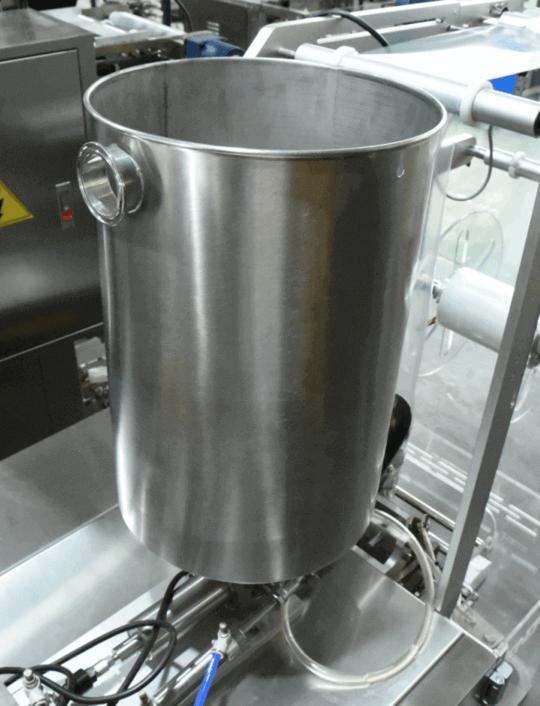
Automated dosing can repeat a defined volume or mass more consistently than an uncontrolled manual process, but ketchup behavior still matters. Temperature, viscosity, smoothness, particulates, air, and tank level can influence delivery. The product must arrive within an agreed condition, and the filler must be selected and adjusted for that window. Otherwise, changing sauce becomes changing quantity.
Evaluate consecutive packs through startup, steady running, supply refill, and restart. Use the facility's approved quantity method and retain sample order so trends are visible. An average near target can hide alternating high and low fills. Good portion control means the process remains within the written limits without frequent manual correction or unacceptable sauce in the seal.
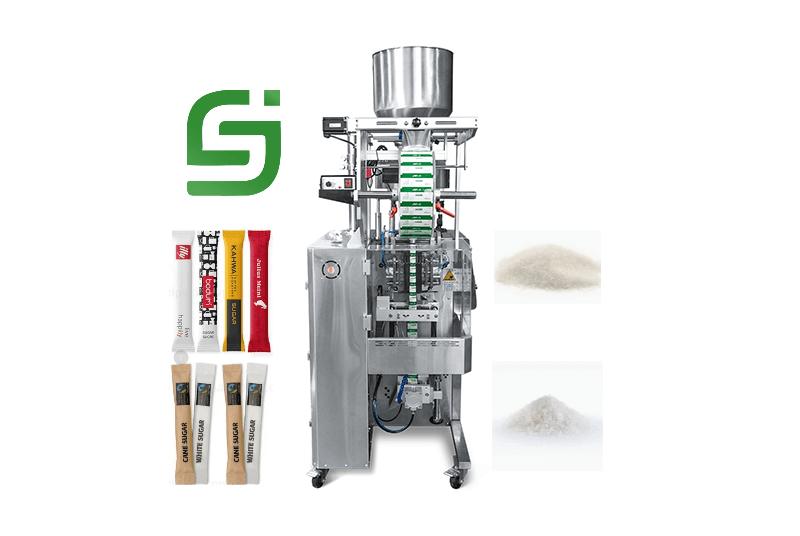
A synchronized filler can place ketchup below the closing area and stop the flow before the pouch moves to sealing. Shutoff design, nozzle position, timing, and headspace all contribute. This can reduce drips and smears compared with an inconsistent manual fill, but only when the sauce does not string and the valve closes reliably under production conditions.
Cleaner pouch mouths allow the jaw process to work within its qualified material window. Heat and pressure cannot repair a seam containing ketchup. Inspect rejects to distinguish contaminated seals from wrinkles, misalignment, poor film response, or handling damage. The advantage is a controlled cause-and-effect sequence: fill cleanly first, then seal a flat and compatible package.
Controlled film or pouch presentation can improve dimensions, print position, code placement, cut location, and top-seal alignment. Repeating those elements supports brand presentation and makes defects easier to detect. The material converter and machine supplier should agree on tolerances and registration features. Attractive artwork cannot overcome curl, poor pouch opening, or an unreadable print mark.
Finished appearance includes fill level and handling. Overfilled pouches may bulge or contaminate closure areas, while underfilled packs can look inconsistent even when code and seals are neat. Check packs after discharge and intended transport, not only while they hang from the machine. A downstream drop or narrow conveyor can undo improvements made at filling.
Automation can reduce direct scooping, pouring, pouch holding, and hand sealing. The remaining work shifts toward material loading, recipe selection, inspection, alarm response, cleaning, and documentation. This is an advantage only when staffing and training are redesigned. An unattended machine is not the same as an automatic process; someone still owns product condition and finished-pack release.
Controls should present actionable information. Operators need to know whether a stop came from low product, missing package, coding supply, seal temperature, safety device, or downstream blockage. Permission levels can protect validated recipes while allowing approved changes. Training should include abnormal conditions and restart checks, not just pressing start during a supplier demonstration.
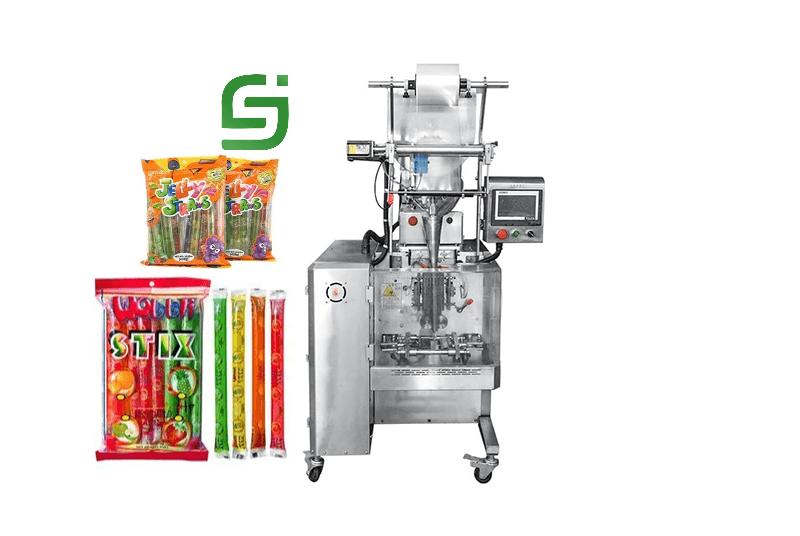
A structured line can classify losses by product spill, dosing reject, film or pouch fault, seal defect, coding reject, startup sample, and cleaning residue. That visibility helps teams work on the dominant source. A single total-waste figure is less useful because the corrective action for sauce dripping is different from the action for print registration.
Automation does not guarantee lower waste. Poorly tuned equipment can create many rejects quickly, and long product paths can retain sauce at cleaning. Establish a baseline before purchase and compare under similar product and pack conditions. Include material used during warm-up, recipe change, roll splice, and recovery after alarms when judging improvement.
Recipes and identified change parts can make transitions repeatable when the procedure covers the whole machine. A change may include draining ketchup, removing contact parts, cleaning, loading another pouch or film, updating code data, fitting guides, selecting parameters, and checking first-off samples. Digital recipes reduce memory dependence but do not confirm that the correct mechanical parts were installed.
Line clearance and reassembly checks protect both quality and efficiency. Operators should know where product can remain, which tools are required, how clean parts are stored, and who authorizes release. Measure conversion from last accepted pack to first accepted pack, while also recording labor and residue. That definition prevents a fast mechanical setup from hiding incomplete cleaning or inspection.
Run the proposed line with representative ketchup, commercial packaging, and the intended quantity. Define acceptance criteria before the test and count finished packs that meet them. Capture all pauses, adjustments, refill actions, and rejects. One smooth video segment does not show how the system behaves over the operating events that shape a real shift.
| Expected advantage | Measurement | Condition that could cancel it |
|---|---|---|
| More consistent portions | Ordered quantity results across operating events | Changing viscosity, air, refill, or incorrect filler setup |
| Cleaner seams | Seal contamination defects and leak-test result | Dripping nozzle, poor headspace, sauce splash |
| Better appearance | Registration, dimensions, code, seal alignment | Material variation or damaging discharge transfer |
| Less repetitive handling | Observed operator tasks and intervention frequency | Frequent manual product or pouch correction |
| Controlled waste | Loss by category per accepted production | High startup rejects or retained cleaning residue |
When the test does not include a planned future pouch or recipe, list it as unqualified. Benefits should be expressed for the demonstrated scope, not extended to every sauce or package based on appearance.
Compare current and proposed processes using available production time, product demand, labor roles, utilities, space, cleaning capacity, maintenance skills, and downstream needs. A line can create excellent packs yet be the wrong investment if upstream cooking cannot supply it or if the facility cannot complete required sanitation between recipes.
The ketchup packing machine range helps identify possible sauce configurations. Ask for an itemized proposal covering tank or supply, dosing, packaging material handling, coding, inspection, discharge, guarding, controls, spares, training, and acceptance. A benefit has commercial meaning only when the corresponding equipment and responsibility are included in the scope.
Will automation guarantee exact fills?
No. It can improve control, but results depend on stable sauce condition, appropriate dosing hardware, correct setup, refill behavior, and the defined measurement method.
Does a packing machine eliminate operators?
It changes their tasks. Product supply, materials, inspection, alarms, cleaning, changeover, maintenance, and release still require trained responsibility.
Can higher sealing temperature stop ketchup leaks?
Not when sauce or a wrinkle is trapped in the seam. Identify the defect first and correct filling, package presentation, or material conditions as appropriate.
How should waste reduction be calculated?
Separate sauce loss, packaging scrap, rejects, startup, changeover, and cleaning residue, then compare them against accepted output under similar conditions.
Which advantage should a small producer prioritize?
Priorities vary. Begin with the current constraint, such as inconsistent quantity, seal defects, labor exposure, or limited capacity, and test whether the proposed system corrects it.
Data collection can be another operational advantage when it is designed around decisions. Production counts, alarm history, recipe identity, and quality samples can help teams distinguish a short material problem from gradual mechanical drift. The values must be time-aligned and understood by supervisors. A dashboard full of counters does not improve the process unless each signal has an owner and a defined response.
Worker exposure should be reviewed realistically. Enclosed transfer and automatic dosing may reduce lifting, repetitive pouch holding, and contact with sauce, but product containers still need to be connected or emptied, and heavy film rolls may still require handling aids. Observe the proposed loading and cleaning tasks. Improvements should be recorded through the site's ergonomic and safety assessment rather than assumed from the word automatic.
Packaging flexibility can be valuable when the market needs several quantities, yet each added format creates tooling, material, recipe, and inspection work. Ask which changes are tool-free, which need mechanical adjustment, and how settings are verified. A machine with a broad nominal size range may still take too long to convert for short campaigns. Calculate the value of flexibility from the actual production schedule and accepted changeover.
Cleaning consistency can itself be a benefit when removable contact parts, drainage, tools, and inspection are designed into the line. Compare the previous manual process with the proposed route using the same release standard. Record sauce recovered, residue discarded, water or cleaning media where relevant, labor, drying, and reassembly. Automation should not be credited with sanitation savings until the complete cleaning cycle has been witnessed and accepted.
Ketchup automation can deliver meaningful improvements when product condition, dosing cutoff, pouch handling, sealing, operator work, and cleaning are designed as one process. Establish the current baseline, define each expected benefit in measurable terms, and witness representative production events. The resulting evidence shows which advantages are real for the plant and which remain sales assumptions.

YISEN MACHINERY - The ONE-STOP VFFS PACKING MACHINE SOLUTION SUPPLIER
 Tel: +8617350750975
 Email: info@vffspackingmachinery.com
 MP/WhatsApp: +8617350750975
 Manufacturer Address:Meixi Road, Tongan District, Xiamen,Fujian,China