

Hot Keyword:
Author:YISEN Pouch Packing Machine Manufacturer TIME:2026-08-21
The most important control is not the mechanical change. It is preventing the previous date, wrong format, wrong product code, or illegible impression from reaching accepted tea packs.
To change a tea bag line's ribbon-printed date safely, confirm the authorized code, stop and isolate the printer as its manual requires, allow hot parts to reach the stated service condition, set the correct type or print data, inspect and route the ribbon correctly, make trial impressions, and obtain line-clearance approval before production. Printer designs differ, so the machine-specific instructions take priority over any general sequence.
Obtain the production order or authorized coding instruction and verify product, tea variety, batch or lot, date basis, format, language, time zone where relevant, and any additional characters. Responsibility for manufacturing, packing, best-before, expiry, or other dates must be defined by the business and applicable requirements. Operators should not calculate or reinterpret them informally.
Use an independent check or electronic source according to the site's procedure. Remove obsolete worksheets and previous-package samples from the work area. If the coding instruction conflicts with labels, film, cartons, or the production schedule, stop and escalate rather than choosing the version that appears most likely.
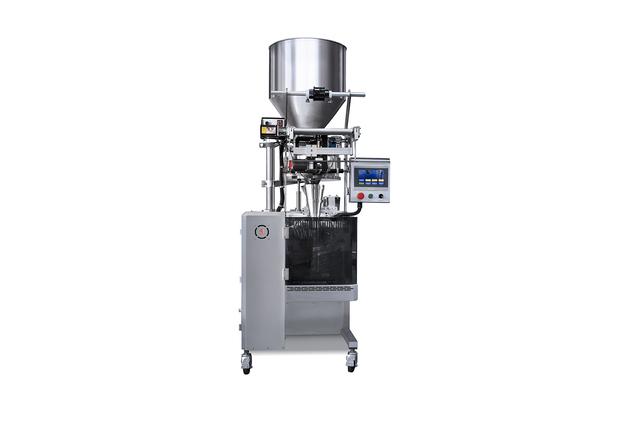
Follow the supplied stop, isolation, and access procedure. Ribbon coders can contain heated print heads, moving carriers, sharp type, pinch points, and electrical components. Wait for the stated temperature or service indication and use the specified tools. Do not reach into the printer while the packaging line can cycle.
Control work-in-process around the change. Identify the last accepted package with the previous code and segregate film or pouches that passed the coder but have not reached final inspection. Account for loose type, tools, ribbon pieces, and cleaning materials. A date change is a product transition even if the tea and artwork remain the same.
Some ribbon printers use physical characters held in a type block; others receive configured data through their control. For mechanical type, use the manual's orientation diagram, permitted character set, holders, and tightening method. Inspect characters for damage and confirm they are seated evenly. Reversed or transposed symbols can produce a readable but wrong date.
For controlled data, use authorized access, select the correct template, confirm every field, and preserve the change record where required. Do not edit an approved format to make it fit an unsuitable print area. Whether mechanical or digital, read the configured code aloud or through the site's verification method before closing the printer.
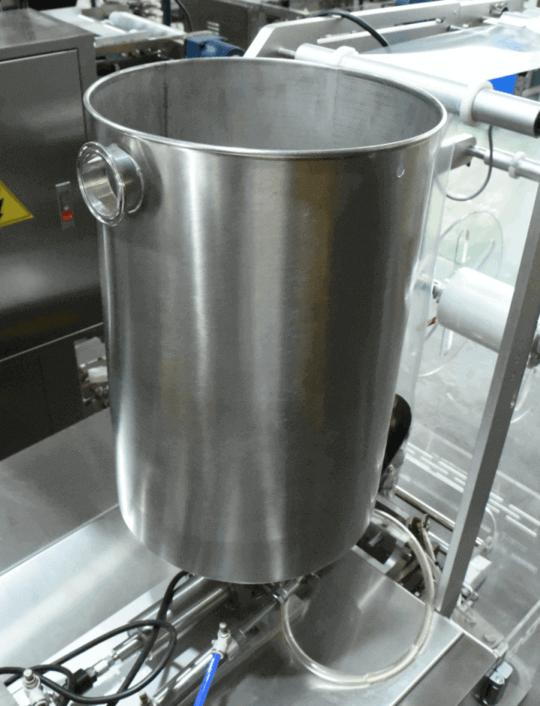
Confirm ribbon specification, width, color, coating orientation, roll direction, and remaining usable length against the printer requirement. Remove torn, contaminated, creased, or unsuitable material. Clean approved guides and print surfaces with the stated method. Do not use solvent or abrasive tools unless they are specified for the device.
Follow the routing diagram through supply, guides, print zone, and take-up. Apply the manual's tension method and verify the ribbon is flat. Excess tension can stretch or break it; low tension can wrinkle or transfer poorly. Rotate or advance only as permitted to confirm smooth movement before restoring guards.
The code area should be defined on the packaging drawing, away from seals, folds, tear notches, tag interference, dark artwork, and tolerated cut variation. Confirm whether the printer marks the filter bag, outer pouch, label, or another component. The correct date in the wrong location can still be unacceptable or unreadable.
Use documented bracket, trigger, and delay references. Test with commercial material at normal movement. Package stretch, registration, coder mounting, trigger sensing, and line speed can move the impression. Adjust only within authorized limits and avoid shifting the complete web path to solve a printer-position issue.
Restore guards and utilities, then make controlled trials according to the machine and site procedure. Inspect code content, orientation, sequence, location, contrast, completeness, adhesion or rub resistance as defined, and effect on the package. Check multiple consecutive impressions rather than one selected example.
| Approval point | Question to answer | Evidence | Action if failed |
|---|---|---|---|
| Code content | Does every character match the authorized instruction? | Signed first-off sample or approved record | Hold output and correct type or data |
| Print position | Is the mark inside the approved clear area? | Package drawing and consecutive samples | Inspect trigger and coder reference |
| Legibility | Are all characters complete and readable? | Visual or configured inspection method | Check ribbon, type, surface, temperature, pressure |
| Durability | Does the code survive defined package handling? | Approved rub or handling check | Review ribbon-material compatibility and setup |
| Transition control | Are old and new dates physically separated? | Last-old and first-new reconciliation | Extend hold and investigate affected packages |
Release needs the required independent approval and complete tea package checks. Keep the first accepted sample and identify the last accepted previous code according to traceability procedures.
A faint code can result from ribbon orientation, ribbon exhaustion, dirty type, damaged characters, unsuitable material surface, low or unstable print conditions, or poor contact. A smear can come from too much transfer, movement during contact, hot handling, or incompatible ribbon and substrate. A missing code can indicate trigger, ribbon break, data, or printer-ready faults.
Preserve failed samples and note whether the issue is continuous or intermittent. Check authorized physical conditions before changing heat, pressure, dwell, or timing. Adjust one cause and repeat consecutive samples. More temperature is not a universal solution and can damage film, shorten ribbon life, or blur characters.
Date control should cover type pieces or data, ribbon, printed film in the machine, loose samples, rejected packs, previous cartons, labels, records, and waste. Reconcile or dispose of old coding materials under the approved process. Verify the new code at startup, defined intervals, after stops, ribbon changes, and format changes as required.
For a tea bag packaging machine, include the coder in maintenance and backup planning. Protect mounting and trigger references, inspect cables and heaters, stock approved ribbon and wear items, and test printer alarms. Train operators to stop on uncertain identity rather than reprinting or mixing packages outside a controlled process.
Can the date be changed while the machine is running?
No general procedure allows that. Follow the printer's safe stop and isolation instructions and the site's product-transition controls.
Which side of the ribbon faces the package?
Ribbon constructions differ. Use the supplied ribbon specification and routing diagram rather than guessing from color or roll direction.
Why is the date readable but still rejected?
It may contain wrong characters, format, orientation, location, sequence, or product relationship, or may fail the defined durability check.
Should temperature be increased for every faint print?
No. Inspect ribbon, coating direction, type, surface, contact, trigger, wear, and approved process conditions before changing temperature.
What records should accompany a date change?
Keep authorization, old and new code verification, line clearance, printer setup, first-off approval, checks during production, rejects, and final reconciliation.
Choose the print location with the full package process in mind. A coder mounted before forming may experience material movement later, while a coder after sealing may need controlled pack spacing. Confirm trigger ownership, package tracking, and the effect of a rejected or manually removed pouch so the next code remains associated with the correct product.
Printer and substrate compatibility should be qualified. Ribbon grade, film or label surface, print temperature, pressure, dwell, and movement affect transfer and durability. Use the supplier-approved combination and commercial package material. A ribbon that performs on one outer film may smear or transfer poorly after a material change.
Preventive maintenance includes cleaning print type or heads, inspecting ribbon guides and take-up, checking mounting, trigger sensors, heaters, cables, guards, and approved spare parts. Record recurring faint or shifted codes by material lot and printer condition. Replace worn components by identity rather than compensating indefinitely with process settings.
Operator training should use deliberate examples of transposed characters, reversed type, faint print, partial transfer, smear, wrong location, old date, and correct date. Trainees should practice stopping, segregating, escalating, and documenting. Accurate response is more important than quickly restoring the printer.
When a printer is moved for a new format, document its mechanical reference and verify guards, cables, and trigger alignment. The change can affect print location and package tracking even when the date itself is unchanged. Return to the previous format using approved references and new first-off samples.
End-of-run reconciliation should account for unused printed material and rejected packages carrying the date. Dispose of or control them under the site procedure. Confirm the printer is left in the expected state for the next order, especially when physical type remains installed.
Include date-code verification in any restart after a prolonged stop, power interruption, printer alarm, ribbon replacement, or package-format adjustment.
Keep one verified impression with the production record.
A reliable ribbon date change is an identity-control operation supported by safe printer setup. Confirm the authorized code, isolate the device, handle type and ribbon correctly, approve consecutive impressions, and reconcile the transition. Machine-specific instructions and independent verification protect the tea product more effectively than a hurried mechanical adjustment.
Print samples should anchor every setting.

YISEN MACHINERY - The ONE-STOP VFFS PACKING MACHINE SOLUTION SUPPLIER
 Tel: +8617350750975
 Email: info@vffspackingmachinery.com
 MP/WhatsApp: +8617350750975
 Manufacturer Address:Meixi Road, Tongan District, Xiamen,Fujian,China